Europe and Central Asia
Ratings overview
The year saw continued backsliding on civic and democratic freedoms in Europe and Central Asia, with growing restrictions on CSOs and protests fuelling an urgent civic space crisis. Of the region’s 54 countries, civic space is now rated as closed in six, repressed in five, obstructed in eight, narrowed in 17 and open in 18.
The CIVICUS Monitor has tracked a steady decline: in 2019, 58.3 per cent of Europe and Central Asia’s population lived in countries rated as open or narrowed. By 2025, that figure has collapsed to just 26.5 per cent, meaning far fewer people can exercise fundamental freedoms without significant barriers. This shift is largely due to intensifying crackdowns on HRDs and protests in some of Europe’s largest democracies.
Switzerland
France
Germany
Italy
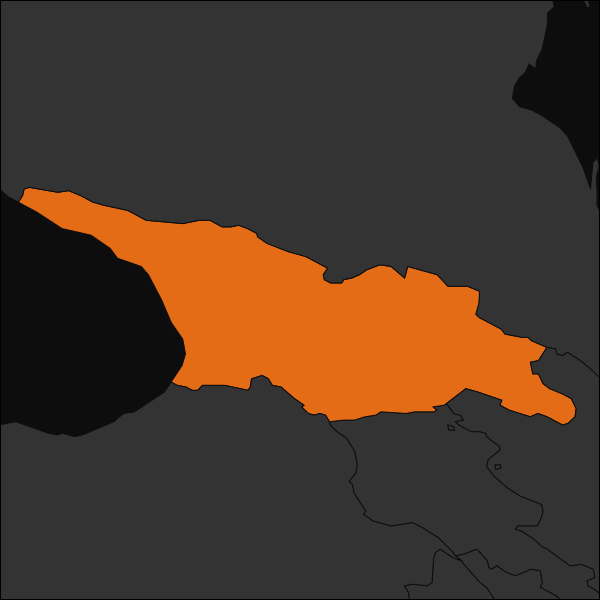
Georgia

Serbia
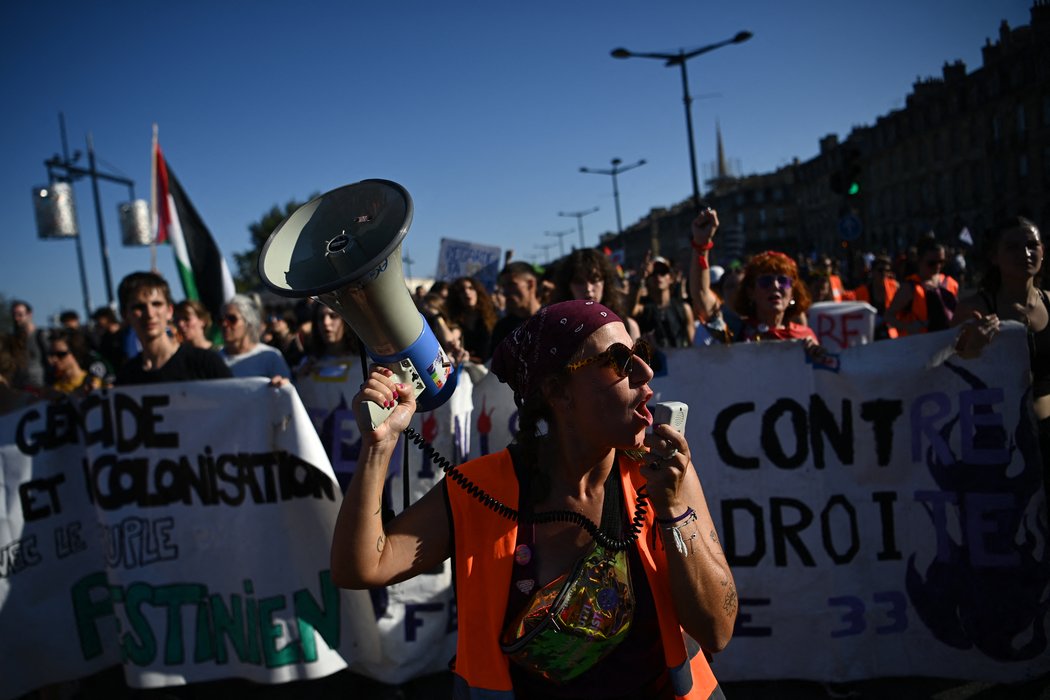
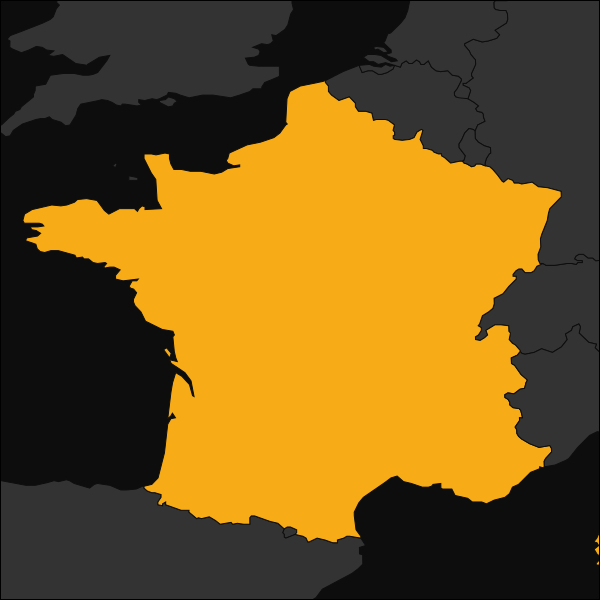
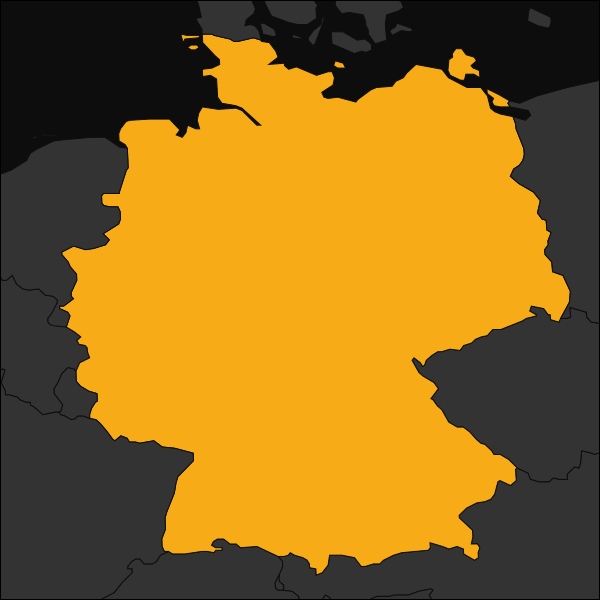
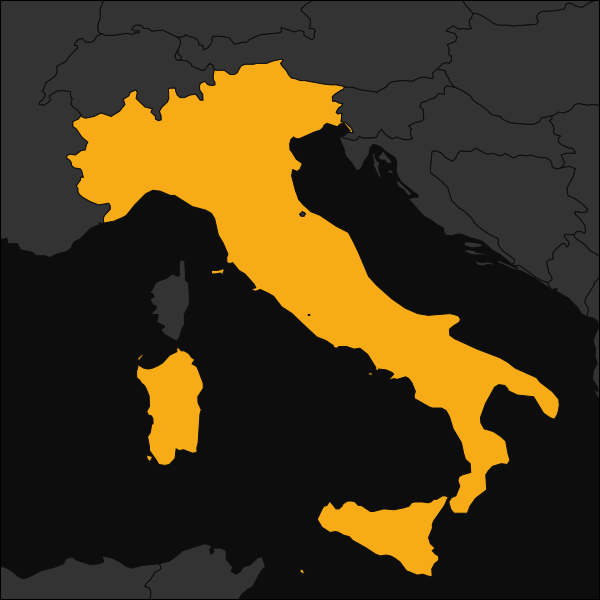
This year, three EU countries — France, Germany and Italy — have had their ratings downgraded from narrowed to obstructed, indicating serious civic space constraints.
In France, strong waves of mobilisation in recent years have faced increasing restrictions. Repeated governmental deadlock has led to four prime ministers stepping down since President Emmanuel Macron called a snap parliamentary election in 2024. Against the backdrop of this deepening political crisis, power holders have adopted an increasingly hostile attitude towards civil society.
In particular, authorities have repeatedly used the Separatism Law, which requires associations to comply with ‘Republican values’ and refrain from disrupting public order, to disband associations and restrict their access to funding. In June 2025, the Council of Ministers initiated dissolution proceedings against the antifascist movement La Jeune Garde and the Palestine solidarity group Urgence Palestine. In September, leaders of the Belgium-based CSO Collective Against Islamophobia in Europe, along with members of a French partner organisation, were arrested, questioned and placed under judicial supervision with restrictions on their activities, reflecting a broader pattern of state harassment against Muslim organisations under the Separatism Law.
Authorities have met public mobilisations, including environmental protests, protests in solidarity with Palestine and mass, social-media driven actions against proposed economic austerity measures with bans, militarised police and hundreds of detentions.
Germany’s intense state crackdown on solidarity with Palestine has led to a rapid deterioration of civic space. In February 2025, Berlin police reported almost 9,000 criminal charges linked to Palestine solidarity protests in the city since 7 October 2023. Participants, journalists and parliamentary observers at such protests are constantly subjected to police brutality, including choking, kettling, pepper spraying and punching. Any perceived breach of overly broad protest restrictions leads to forceful police intervention. In January 2025, police violently arrested five protesters at a silent vigil for Palestine, including one woman dragged away for carrying a heart-shaped hand warmer misidentified as a Hamas symbol. Police shut down another protest with excessive force the following month due to a ban on Arabic-language chants.
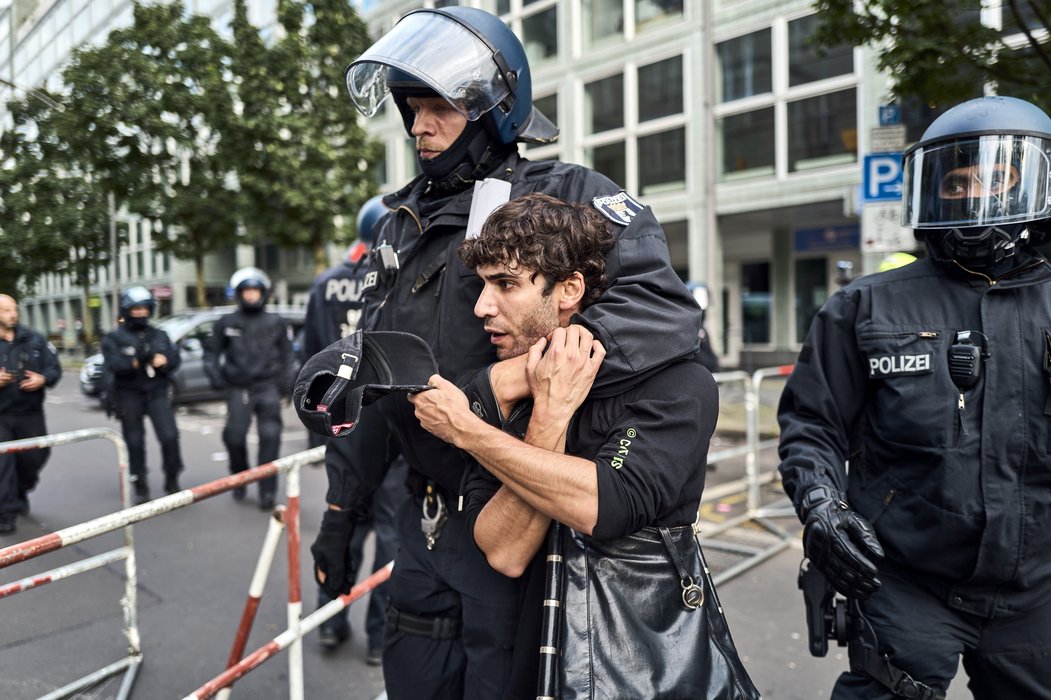
Political and social pressures have gone hand in hand with police enforcement to shut the space for free expression. After an event featuring Francesca Albanese was relocated following threats, 100 riot officers stormed the venue it was moved to. Police also maintained a presence at the Free University of Berlin where the event was being unofficially livestreamed.
As protests erupted against the Christian Democratic Party’s (CDU/CSU) collaboration with the far-right Alternative for Germany (AfD) party to pass a restrictive anti-immigrant agenda, and the AfD’s rise in popularity ahead of the February 2025 general election, some of them were also met with excessive force. Following the election, in which the CDU/CSU came out on top, chancellor-elect Friedrich Merz and his party launched a sweeping parliamentary inquiry into public funding for CSOs accused of lacking political neutrality, including those behind the protests against the far right.
Italy was added to the CIVICUS Monitor Watchlist in March 2025 as the government prepared to push through the controversial ‘anti-Gandhi bill’, described by rights watchdogs as the most serious attack on the right to protest in decades. Adopted in June 2025, the sweeping legal package significantly expanded police powers and introduced dozens of new criminal offences and harsher penalties under the pretext of public security, criminalising non-violent civil disobedience with severe prison sentences. In parallel, reports surfaced that critics of the government had been targeted with Graphite.
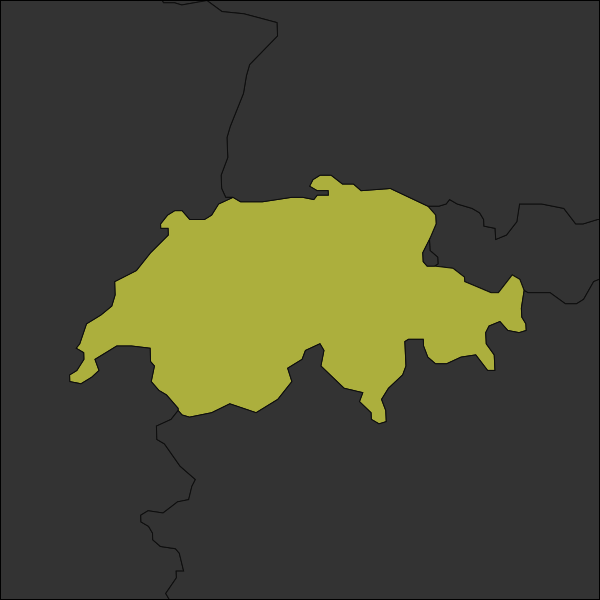
Switzerland has been downgraded from open to narrowed amid increasing restrictions on civil society activists, journalists and protests. Police met protests against police brutality and racism and in solidarity with Palestine with excessive force, including rubber bullets and teargas. Concerns have also been raised about surveillance of climate activists and social movements. In April 2024, during criminal proceedings to identify activists who had painted an illegal bike lane in Geneva, reports revealed that police had profiled over 100 XR members. Investigators traced activists’ incomes, family ties, donations and holidays, despite the group’s non-violent actions causing only minor property damage. Switzerland’s strict banking secrecy laws also limit press freedom. Police raided journalist Lukas Hässig’s home and office and seized his devices due to his reporting on the former CEO of Raiffeisen Bank and his adviser. The laws impose penalties of up to five years in prison for disclosing banking information, even when publication is clearly in the public interest.
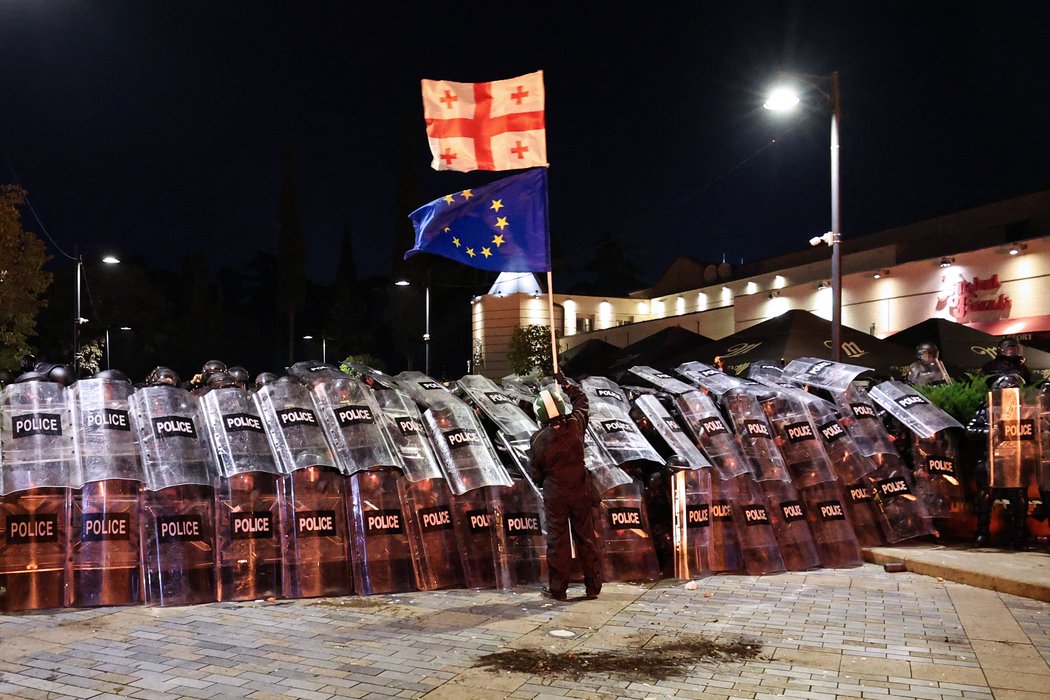
Two countries in the region, Georgia and Serbia, saw their ratings drop from obstructed to repressed as authorities sought to suppress persistent protests with increasing severity.
In Georgia, the deterioration of civic space has progressed at whirlwind speed. After being downgraded from narrowed to obstructed in 2024, the country has now fallen further to a repressed rating. Nightly mobilisations have continued for over a year, sparked by the government’s decision to suspend EU accession negotiations until 2028 following a disputed parliamentary election.
Successive amendments to protest laws have imposed increasingly harsh restrictions. Offences such as blocking roads and wearing face coverings result in administrative detention, with repeat violations triggering criminal charges and imprisonment. At the same time, the government has intensified its targeting of critics under the guise of countering foreign interference. After adopting a foreign agents law in 2024, authorities introduced a further such law in 2025, a direct translation of the US Foreign Agents Registration Act, which extends to individuals and imposes criminal liability for non-compliance. The new law was adopted alongside other legislation aimed against government critics, including restrictions on foreign funding for media and new requirements for CSOs to secure government approval before accepting foreign grants.
The government has also moved to dismantle the political opposition. By June 2025, authorities had jailed or detained eight leaders of pro-European parties for refusing to testify before a parliamentary commission investigating alleged human rights abuses under the previous United National Movement (UNM) government. On 28 October 2025, the commission’s findings were used to petition the Constitutional Court to outlaw the UNM and other opposition parties the government deemed its satellites. Weeks earlier, a restrictive bill was proposed to penalise people linked to banned parties and prevent them standing in elections or holding public office.
In Serbia, fundamental freedoms are in crisis as protesters continue to call for snap elections despite increasing restrictions. Student-led demonstrations have mobilised since November 2024, triggered by the deadly collapse of a railway station roof protesters attribute to corruption.
Protesters and supporters face violence from police and groups linked to the ruling party, alongside mass detentions, intimidation and surveillance. In a stark display of impunity, President Aleksandar Vučić pardoned people accused of severe violence against protesters, including four men linked to his party who brutally assaulted a female student and a woman charged with attempted murder for driving her car into a crowd of protesters. Watchdog groups report that over 1,000 people have been detained since the protests began. While most were released quickly, others remain under house arrest or are subject to restricted-freedom measures. Six civic and opposition activists are being prosecuted for an alleged plot to violently overthrow the constitutional order based on a wiretapped conversation, with the trial beginning in late November 2025; six others remain in exile to be tried in absentia.
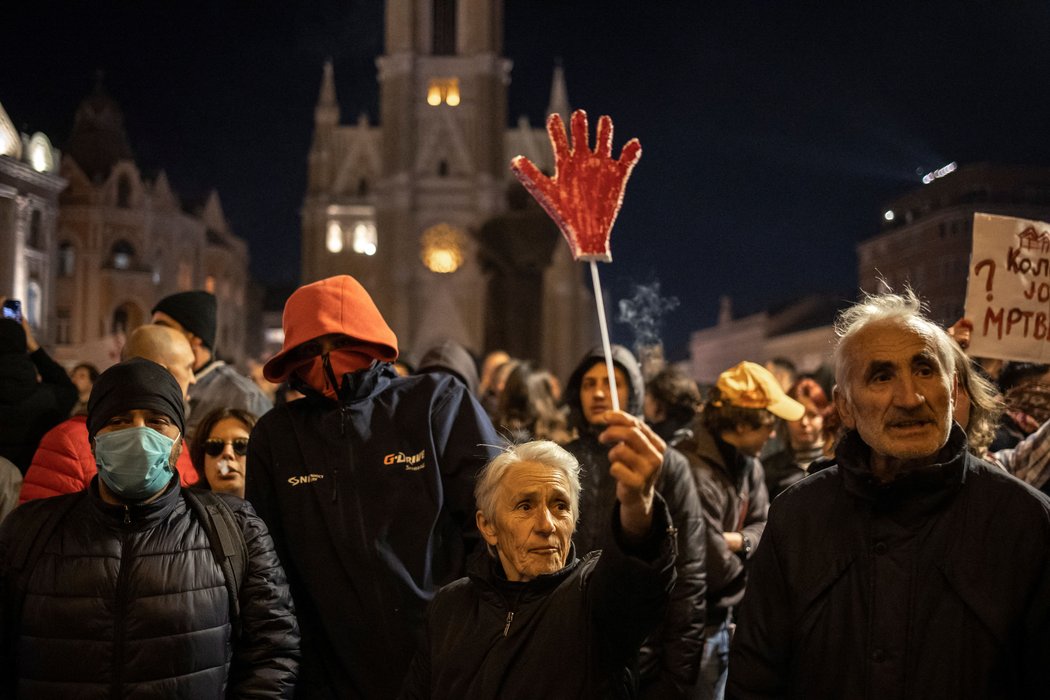
Outspoken protest supporters also face reprisals, including dismissal, intimidation by security services and smears. These measures have spread across the education sector, where administrators and professors backed student strikes and refused to call police to disperse striking students. By September, civil society groups reported that over 100 school employees had been dismissed in retaliation for backing the protest movement.
In March 2025, government-organised counter-protesters set up encampments around key institutions in the capital. Investigative journalists have identified numerous individuals with links to organised crime among them. These camps, backed by municipal authorities and protected by police, have become flashpoints for violence, with frequent clashes between residents and anti-government protesters.
Top violations
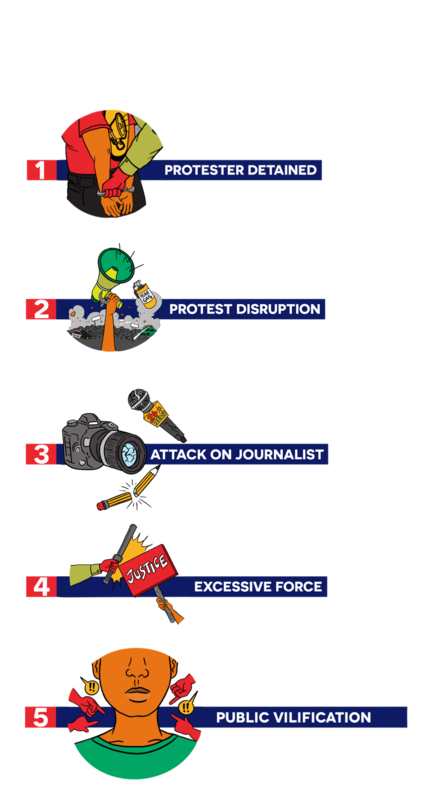
The most common violations of civic freedoms documented In Europe and Central Asia in 2025 were the detention of protesters, along with the disruption of protests and the use of excessive force, followed by attacks on journalists and the public vilification of civil society and dissenting voices.
Protest rights crumbling in Europe: detentions, disruption and excessive force
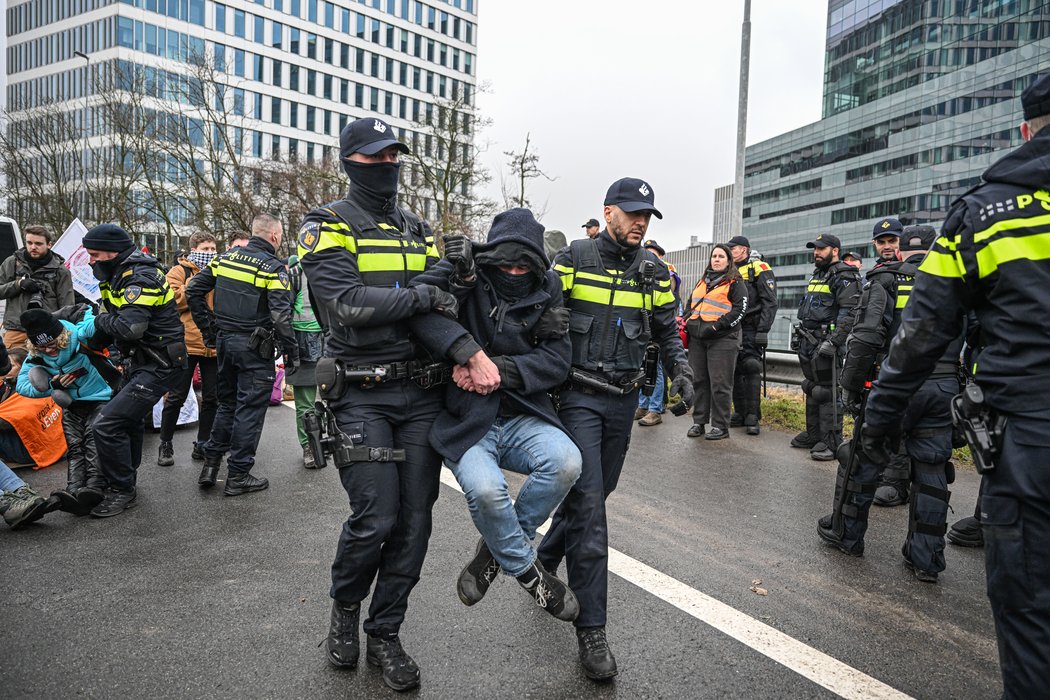
The detention of protesters continued to be the most common violation in Europe and Central Asia, documented in at least 30 countries. Europe accounts for a disproportionate number of protest rights violations globally, painting a troubling picture of human rights backsliding.
Climate activists engaging in non-violent civil disobedience continued to face detention and intimidation, exemplified by the police’s forceful dispersion and detention of hundreds of XR activists in the Netherlands in January 2025. Detentions of environmental protesters were also recorded in Albania, Finland, Germany, Portugal and Serbia.
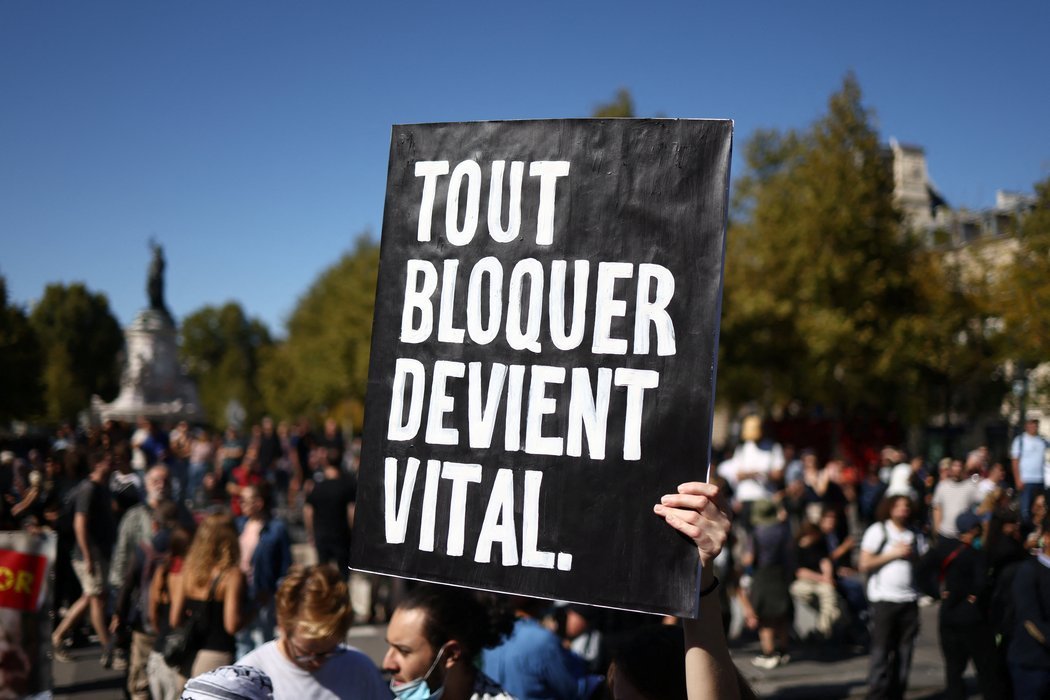
Corruption and inequality also sparked mobilisations that faced security force repression. In Greece in February 2025, almost 430,000 people attended a rally in Athens marking the second anniversary of a train crash that killed 57 people, expressing anger at the government’s failure to properly investigate the incident or take responsibility. After a small group reportedly instigated clashes, police deployed stun grenades, teargas and water cannon, detaining over 100 protesters. In France, Block Everything protests on 10 September 2025, organised to oppose budget cuts and the rejection of a proposed tax on households worth over €100 million, resulted in over 500 protesters being arrested.
In Turkey in March 2025, the detention of Ekrem İmamoğlu sparked the largest protests in decades, with crowds reportedly reaching two million people. Authorities responded to largely peaceful protesters with rubber bullets, teargas and water cannon. Almost 2,000 people were detained or arrested and many were subjected to rushed mass trials, with hearings held simultaneously for hundreds of defendants. Charges included disobeying police orders, incitement based on social media posts and participating in unauthorised demonstrations, carrying potential prison sentences of six months to five years.
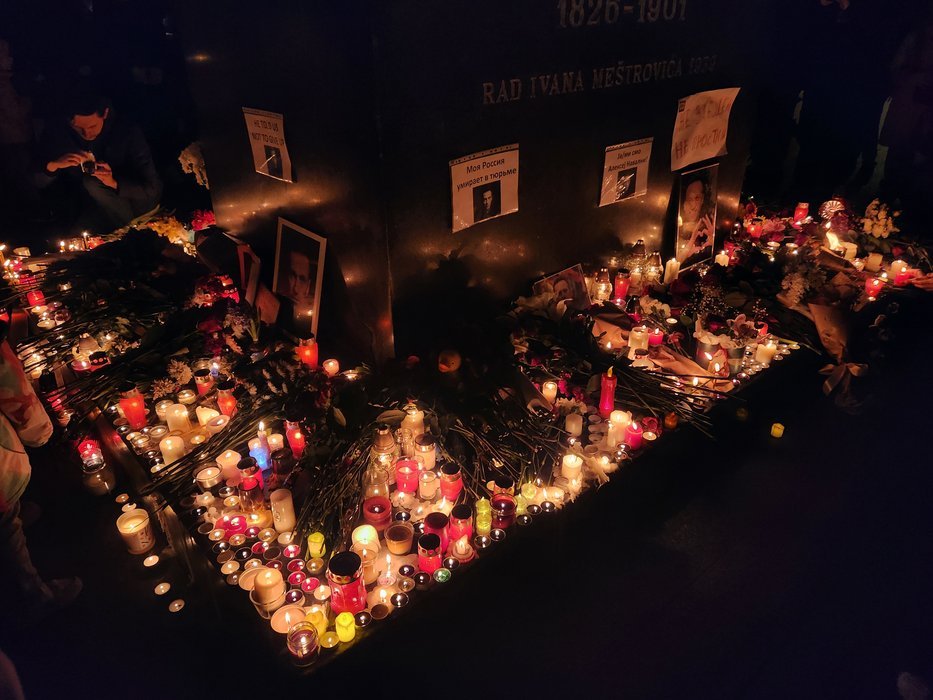
At times, even individual acts of protest were severely penalised. On 16 February 2025 in Russia, at least 42 people in 18 cities were detained when attempting to honour the memory of late opposition leader Alexei Navalny, who died as a political prisoner a year before. In Voronezh, a young couple were detained by plainclothes security agents after laying flowers at the memorial to a dissident poet and holding up a placard reading, ‘Do not be afraid. This is our country and we have no other’. In Azerbaijan on International Women’s Day, 8 March 2025, LGBTQI+ activist Rauf Heydarov was detained and sentenced to 30 days of administrative detention after displaying a poster featuring detained female journalists. He was reportedly denied medical care while in custody.
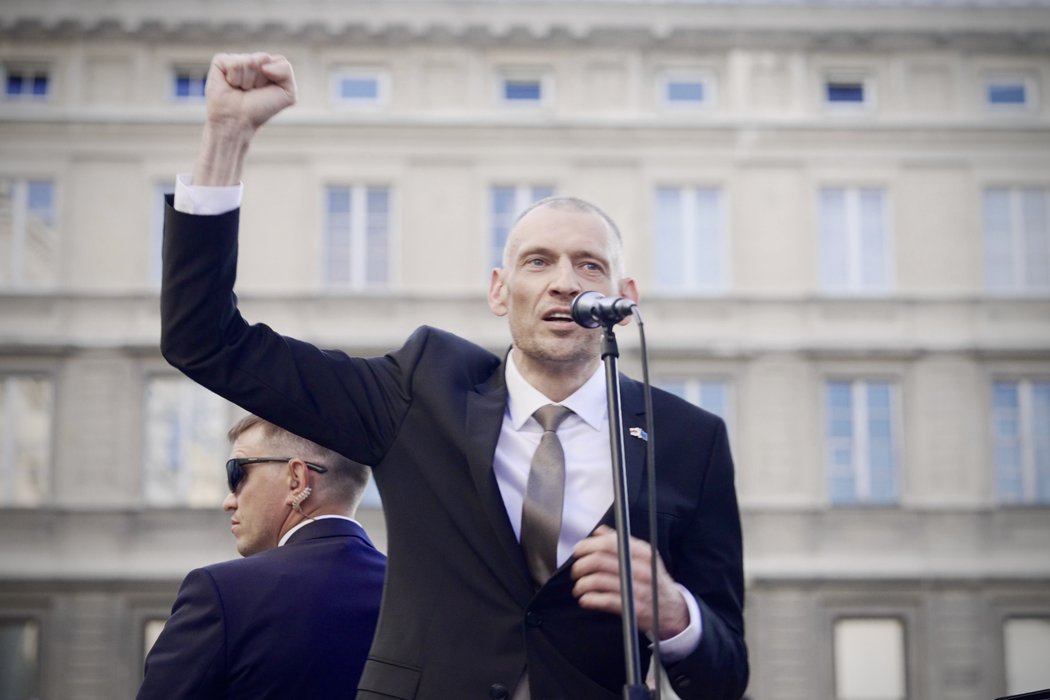
Although protests have long been crushed inside Belarus, the authorities continue to pursue people who took part in mass demonstrations that followed the rigged 2020 presidential election. In July 2025, rights groups reported a new wave of arrests triggered by the expiry of the statute of limitations for the offence of ‘violating public order’. In June and July, two people were sentenced to a year and 18 months in prison respectively for their involvement in the 2020 protests.
Authorities in multiple countries also frequently resorted to extraordinary measures to disperse peaceful protests. Demonstrations were disrupted in at least 21 countries, with police using excessive force in 18.
In Denmark in February 2025, police intervened to disperse activists blocking the entrance to shipping giant Maersk’s Copenhagen headquarters in protest at the company’s alleged transportation of military equipment to Israel. Officers deployed batons, pepper spray, police dogs and teargas. Dozens of protesters reported injuries, including bruises and open wounds from baton strikes and kicks, and sprains and pain caused by being forcibly restrained.
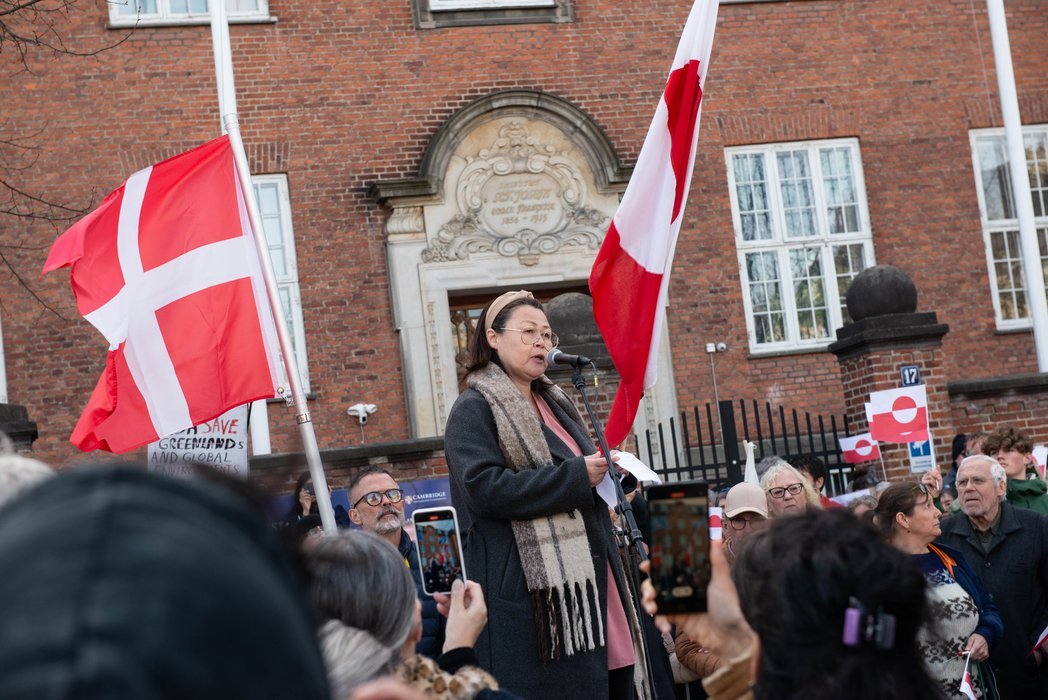
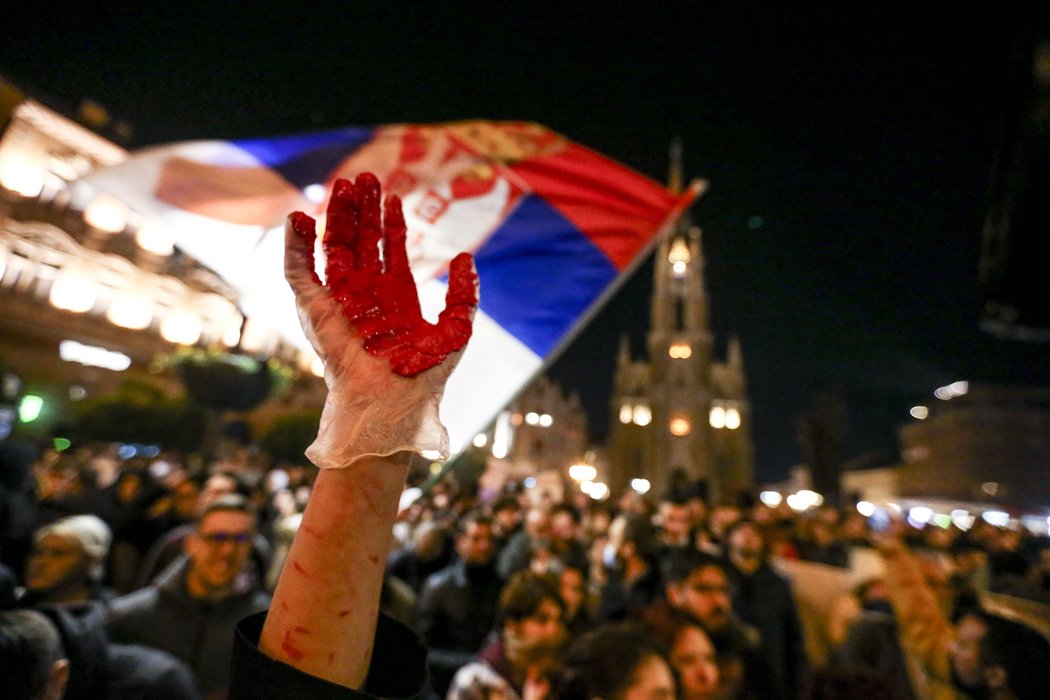
In Serbia, as authorities intensified their crackdown on student-led protests, police were accused of unlawfully deploying a sonic weapon at the largest demonstration to date on 15 March 2025, attended by around 300,000 people. During a silent vigil, the quiet was abruptly broken by a loud, disorienting noise, triggering panic and a stampede. Police initially denied possessing them but later admitted long-range acoustic devices had been deployed at the protest, while continuing to deny they activated them.
Threats to press freedom: journalists under attack
Journalists were physically attacked in the context of their work in at least 18 countries. Almost a third of recorded attacks on journalists happened in relation to protest coverage. In Cyprus in October 2025, for example, police assaulted journalist Bisan Ibrahim while she reported on a peaceful protest in Nicosia against the interception of the Gaza-bound Global Sumud flotilla. Officers pushed her to the ground twice and pepper-sprayed her, despite her showing her press card. Police also used excessive force against journalists covering protests in France, Germany, Serbia and Turkey.
Journalists also faced violence from protesters. In Romania, during a protest in Bucharest against the Constitutional Court’s annulment of the 2024 presidential election, far-right protesters vandalised the car of the Antena3-CNN reporting team, attempting to deflate the tyres and ripping off its licence plates, and verbally and physically harassed several journalists.
Beyond protests, journalists have often been attacked to intimidate them or obstruct their work, including by bystanders, private security services and politicians. In October 2025, a bomb exploded outside the home of Italian investigative journalist Sigfrido Ranucci, destroying his car and damaging nearby property.
As Russia’s full-scale invasion of Ukraine enters its fourth year, Ukrainian and international journalists remain targets of Russian forces. In October 2025, a Russian drone killed Ukrainian journalists Olena Hramova and Yevhen Karmazin as they documented the aftermath of an attack in Kramatorsk.
Public vilification as a tool of repression
Efforts to publicly vilify and disparage CSOs, HRDs and the media were recorded in at least 19 European and Central Asian countries, often followed by other actions to further restrict civic space and suppress dissent.
Across Europe, authorities continued to target environmental protesters to delegitimise their work and justify heavy-handed policing. In January 2025, the Dutch parliament adopted its motion attacking XR. In France, officials continued promoting a narrative depicting climate activists as violent ‘ecoterrorists’. Reports in July 2025 indicated that security forces had infiltrated a movement opposing highway construction and incited violence, setting the stage for a militarised police response.
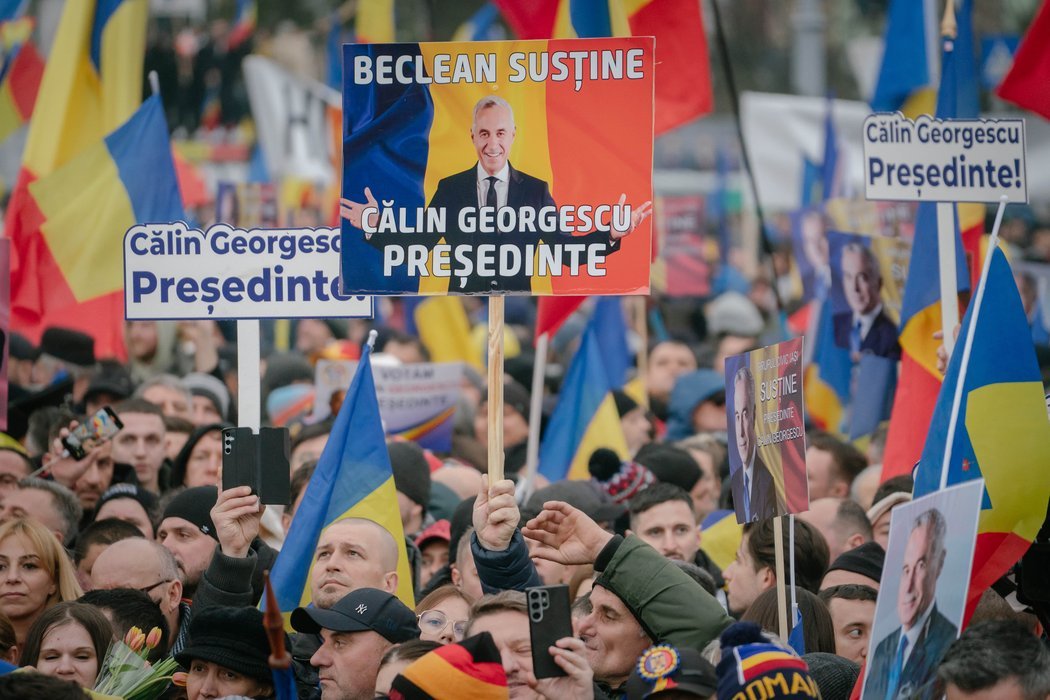
Far-right actors, including elected officials and influential public figures, also weaponised social media to smear HRDs. In Portugal, a member of parliament from Chega, the largest opposition party, published the names of migrant pupils in a video, accusing them of taking public school places from Portuguese children and labelling activists supporting them as extremists. In Slovenia, a prominent reproductive rights advocate faced an online smear campaign accusing her of trafficking the organs of unborn babies, which was amplified by former Prime Minister Janez Janša. These attacks were particularly dangerous during periods of heightened political instability. As Romania descended into crisis after the annulment of its 2024 presidential election, tech billionaire Elon Musk amplified far-right narratives by misrepresenting a meeting between civil society, EU and Romanian authorities and social media platforms on preventing disinformation. Sharing a post by a right-wing Romanian influencer on X/Twitter, Musk accused CSOs of ‘trying to destroy democracy’.
The Trump administration’s dismantling of USAID and overhaul of US foreign assistance provided an additional pretext for like-minded governments in Europe and Central Asia to threaten and intimidate civil society. In several countries, US officials’ rhetoric smearing USAID as a ‘criminal organisation’ was invoked to justify the launch of investigations on spurious grounds. In Georgia, Prime Minister Irakli Kobakhidze echoed those talking points to accuse civil society and the opposition of attempting to stage a revolution at the behest of the previous US administration. Days later, prosecutors opened an investigation into alleged sabotage and ‘assistance to foreign-controlled organisations’.
In Hungary, Prime Minister Viktor Orbán threatened to criminalise acceptance of US funding, after which the government’s Sovereignty Protection Office launched an investigation into USAID’s activities. In Slovakia, Prime Minister Robert Fico publicly appealed to Musk to provide details on USAID grants to Slovak organisations. Despite public records showing otherwise, officials accused several critical CSOs and media of receiving USAID funding. This was followed by a request for information on all government subsidies awarded to CSOs. In Serbia, police raided five CSOs over allegations of ‘misusing American taxpayer funds’ based on statements from US government officials. During the raids, staff were detained for hours as police seized thousands of documents without a warrant.
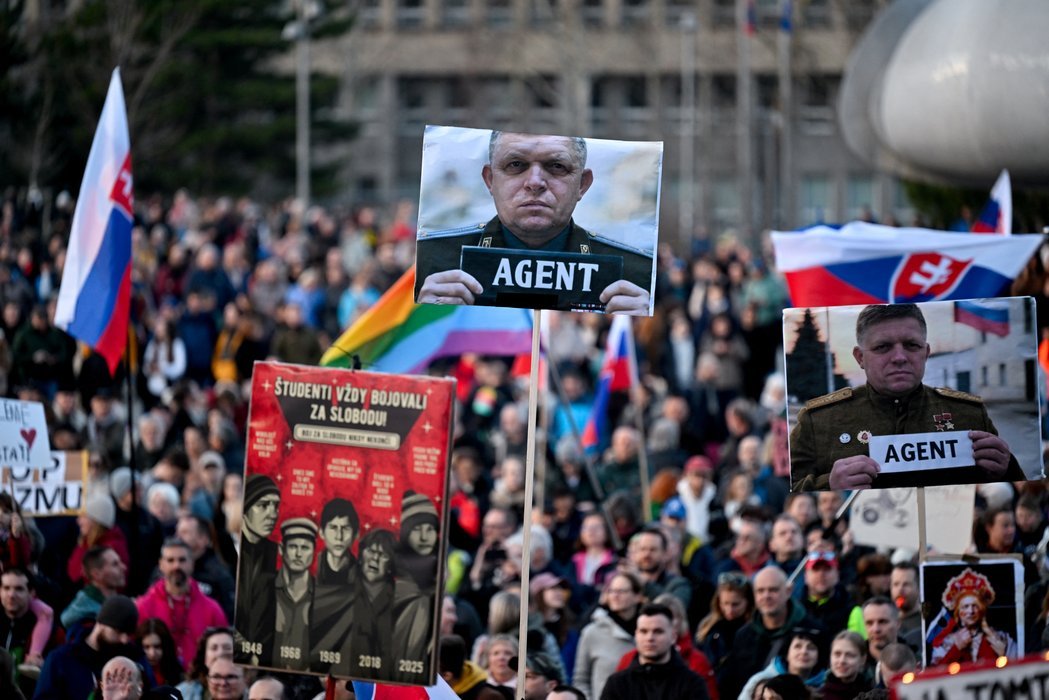
This rhetoric also fuelled fresh attempts to introduce restrictive legislation. In Kazakhstan, officials including the president and members of parliament renewed attacks on CSOs, accusing them of using foreign funding to promote ‘alien values’. In February 2025, a politician from a pro-government party called for a foreign agents law, citing the Trump administration’s actions as justification to ‘rewrite the rules of the game’. The government initiated new CSO legislation, reinforcing fears new restrictions may follow.
In February 2025, Milorad Dodik, President of Republika Srpska (RS), Bosnia and Herzegovina’s Serb-majority entity, lashed out at the media following his conviction in a criminal case. Accusing media groups of taking funds from USAID to ‘destroy Republika Srpska’, he threatened they would be ‘put on trial by the people’. Days later, the RS parliament fast-tracked a foreign agents law to automatically designate any organisation receiving international funding as an ‘agent of foreign influence’ and bar them from influencing public opinion or proposing legislation, effectively criminalising public interest advocacy from civil society groups. In May 2025, the Constitutional Court of Bosnia and Herzegovina struck down the law, arguing it violated international human rights standards and imposed undue restrictions on CSO activities.
The silencing of critical voices deepens in Central Asia
In Central Asia, the main violations recorded in 2025 included the detention and prosecution of HRDs and journalists in retaliation for their work, new restrictive laws and persistent legal harassment.

Across Central Asia, critics continue to be prosecuted under vague criminal provisions such as alleged extremism, calling for mass unrest, defamation, disseminating false information and inciting hatred. Trials often take place behind closed doors without due process. Numerous civil society activists, HRDs and journalists remain in prison on politically motivated grounds, serving their sentences in harsh conditions, with more convicted in 2025. For example, in Tajikistan in February 2025, journalist Rukhshona Khakimova was sentenced to eight years in prison on treason charges reportedly linked to her research into China’s influence in the country.
In addition to criminal prosecutions, states subject HRDs to other forms of harassment. In Turkmenistan in November 2024, journalist Soltan Achilova was forcibly hospitalised, preventing her travelling to Geneva for a human rights award ceremony for the second time.
Repression increasingly extends beyond borders with states cooperating to stamp out dissent. In Uzbekistan in April 2025, Karakalpak activist Rinat Utambetov was sentenced to two years and six months in prison for ‘encroaching on the constitutional order’ and ‘disseminating materials threatening public security’ after being extradited from Kazakhstan in December 2024. He was accused of sharing video appeals by public figures related to mass protests in Uzbekistan’s Karakalpakstan region in 2022, which were brutally repressed. In April and May 2025, bloggers Umida Bekchanova, Abdulla Orusov and Alisher Sakhatov were detained in Turkey for allegedly threatening public security and faced deportation orders to Turkmenistan, despite a real risk of imprisonment and torture on return. Orusov and Sakhatov later disappeared while their deportation orders were under review, heightening concerns for their safety.
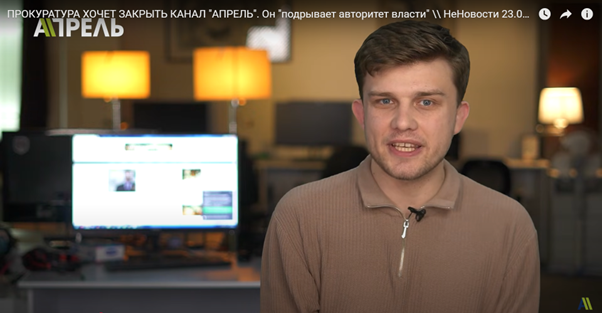
Independent media remain under intense pressure. Kyrgyzstan’s media climate has sharply deteriorated. In July 2025, the independent channel Aprel TV was shut down for allegedly discrediting the government through negative information, as was the case with the Kloop platform the year before. In September 2025, two Kloop contributors, Aleksander Aleksandrov and Joomart Duulatov, were sentenced to five years in prison on charges of publicly calling for riots despite the absence of any credible evidence of wrongdoing. A restrictive media law adopted in June 2025, along with other laws affecting freedom of expression, have heightened fears of further control. In Uzbekistan, a draft Information Code threatens to further restrict free expression, while prosecutions of critical bloggers and journalists continue.
CSOs also face mounting restrictions. Kyrgyzstan’s 2024 foreign representatives law has created a climate of fear, with public calls to introduce similar legislation in Kazakhstan and Uzbekistan.

Countries of concern: unrelenting crackdown on Palestine solidarity in Europe
As global solidarity with Palestinian people persisted amid Israel’s ongoing genocide, Europe has continued to be a focal point for mobilisation and repression. In 2025, over 60 per cent of violations recorded by the CIVICUS Monitor against Palestine solidarity actions occurred in Europe. Civic space restrictions on solidarity with Palestine have been recorded in at least 17 European countries: Austria, Belgium, Cyprus, Denmark, Finland, France, Germany, Greece, Hungary, Ireland, the Netherlands, Norway, Portugal, Slovenia, Sweden, Switzerland and the UK.
Authorities across the region have used excessive force against protesters and sought to criminalise Palestine solidarity activism, often by misusing anti-extremism and counter-terrorism laws. In July 2025, the UK parliament proscribed Palestine Action under anti-terror legislation, making expressions of support, membership and publicly wearing items associated with the group offences punishable by up to 14 years in prison. The decision followed the group’s civil disobedience action at an airforce base, where it spray-painted two aircraft red. As people mobilised against the proscription, police carried out unprecedented arrests, targeting hundreds of entirely peaceful protesters for holding signs reading ‘I support Palestine Action’.
In June 2025, Germany’s domestic intelligence agency designated the CSO Jewish Voice for a Just Peace in the Middle East (Jüdische Stimme) as extremist, along with another group, Palestine Speaks, and groups that are part of the boycott, divestment and sanctions movement in Berlin and Bonn. In 2024, a partly state-owned bank froze Jüdische Stimme’s accounts and demanded detailed financial and personal information on all members, under threat of closure.
In Belgium, police arrested Palestinian activist Mohammed Khatib in April 2025 after he attended a daily protest, with officers citing a ‘threat number’ assigned by a state security agency. He was questioned without legal representation and released the next morning. His refugee status was later revoked after authorities labelled him a ‘hate preacher’. In Slovenia, Palestinian-Slovenian citizen Jaber Elmasry reported sustained harassment by intelligence agents lasting over a year, including attempts to obtain information about Slovenia’s Palestinian community and local solidarity activists.
| COUNTRY | SCORES 2025 | 2024 | 2023 | 2022 | 2021 | 2020 | 2019 | 2018 |
| ALBANIA | 68 | |||||||
| ANDORRA | 83 | |||||||
| ARMENIA | 66 | |||||||
| AUSTRIA | 83 | |||||||
| AZERBAIJAN | 14 | |||||||
| BELARUS | 9 | |||||||
| BELGIUM | 77 | |||||||
| BOSNIA & HERZEGOVINA | 57 | |||||||
| BULGARIA | 65 | |||||||
| CROATIA | 71 | |||||||
| CYPRUS | 75 | |||||||
| CZECH REPUBLIC | 87 | |||||||
| DENMARK | 89 | |||||||
| ESTONIA | 96 | |||||||
| FINLAND | 89 | |||||||
| FRANCE | 67 | |||||||
| GEORGIA | 34 | |||||||
| GERMANY | 67 | |||||||
| GREECE | 51 | |||||||
| HUNGARY | 46 | |||||||
| ICELAND | 86 | |||||||
| IRELAND | 89 | |||||||
| ITALY | 65 | |||||||
| KAZAKHSTAN | 30 | |||||||
| KOSOVO | 67 | |||||||
| KYRGYZSTAN | 32 | |||||||
| LATVIA | 86 | |||||||
| LIECHTENSTEIN | 92 | |||||||
| LITHUANIA | 85 | |||||||
| LUXEMBOURG | 94 | |||||||
| MALTA | 78 | |||||||
| MOLDOVA | 72 | |||||||
| MONACO | 88 | |||||||
| MONTENEGRO | 77 | |||||||
| NETHERLANDS | 75 | |||||||
| NORTH MACEDONIA | 69 | |||||||
| NORWAY | 98 | |||||||
| POLAND | 69 | |||||||
| PORTUGAL | 83 | |||||||
| ROMANIA | 70 | |||||||
| RUSSIA | 13 | |||||||
| SAN MARINO | 94 | |||||||
| SERBIA | 38 | |||||||
| SLOVAKIA | 67 | |||||||
| SLOVENIA | 85 | |||||||
| SPAIN | 68 | |||||||
| SWEDEN | 87 | |||||||
| SWITZERLAND | 78 | |||||||
| TAJIKISTAN | 10 | |||||||
| TURKEY | 23 | |||||||
| TURKMENISTAN | 4 | |||||||
| UKRAINE | 52 | |||||||
| UNITED KINGDOM | 60 | |||||||
| UZBEKISTAN | 18 |