Kiribati is rated ‘open’ by the CIVICUS Monitor. Kiribati is a multiparty democracy that holds regular elections. There is freedom for NGOs to operate, particularly those engaged in human rights and governance-related work. However, concerns remain around judicial independence and that the government has yet to decriminalise defamation or establish a national human rights institution.
In September 2025, the UN Human Rights Council adopted the Universal Periodic Review of Kiribati. It received a range of recommendations including to ratify core human rights instruments, establish a national human rights institution in accordance with the Paris Principles, take all necessary measures to ensure the independence of the judiciary and strengthen protection of freedom of expression in Kiribati, including for media.
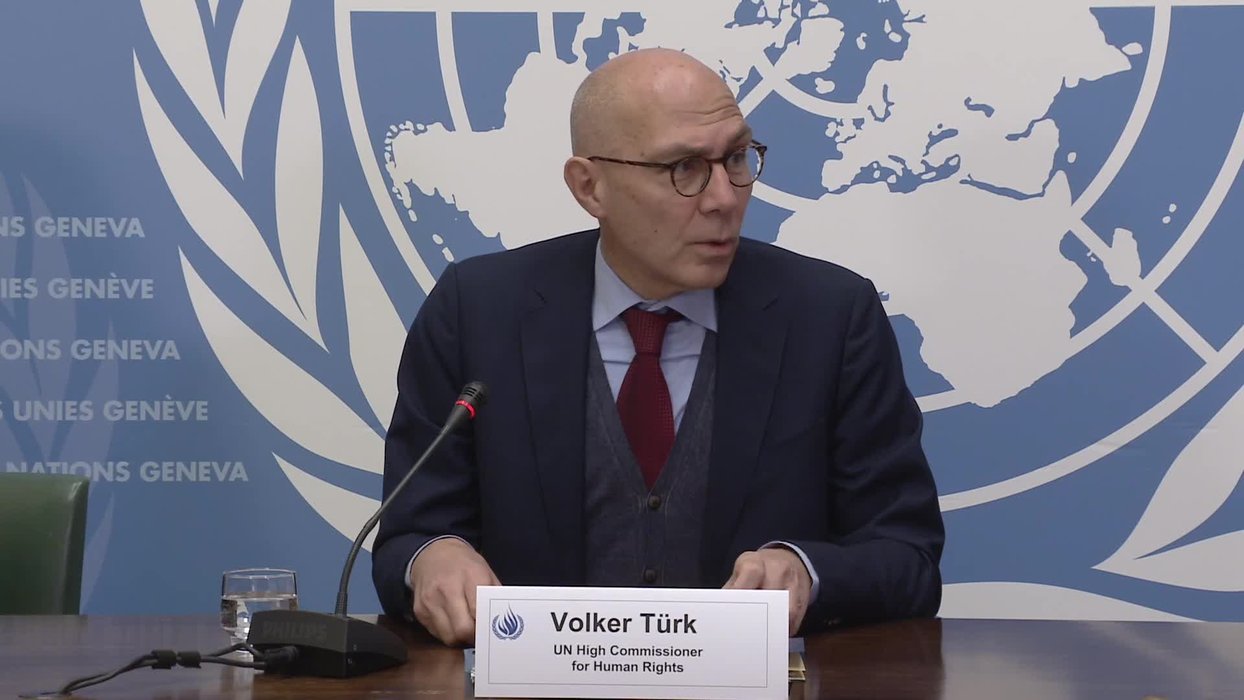
On 8th January 2026, Volker Türk, the UN High Commissioner for Human Rights, wrote a letter to the Kiribati government to raise concerns that during its fourth UPR review, Kiribati reversed its commitment, made during the third cycle, to ratify the remaining core international human rights treaties, including the International Covenant on Civil and Political Rights (ICCPR).
Association
Continued discrimination of LGBTQI+ persons
In his letter, the UN High Commissioner also urged Kiribati to promote awareness of the importance of protecting the equal rights of LGBTQI+ persons and to combat the violence and discrimination they face, particularly among local stakeholders, including community and church leaders, and to advance towards the repeal of discriminatory provisions of the penal code.
During the UPR review, a number of countries raised concerns about the continued criminalisation of same-sex sexual relations between consenting adults and called on the government to protect the rights of LGBTQIA+ persons and guarantee protection from discrimination on the basis of gender, gender identity and expression and sexual orientation. Kiribati did not support these recommendations
Judicial independence a concern
The UN High Commissioner also called on the government to strengthen the judiciary and guarantee that judges can perform their duties free from undue interference.
As previously documented, in May 2022, the President of Kiribati suspended Judge David Lambourne from the High Court and appointed a tribunal to investigate unspecified allegations of misconduct against the senior judge. In June 2022, when Lambourne’s appeal against his suspension came up in court, the government suspended the Chief Justice William Hastings, who was to hear the case.
In August 2022, officials attempted to deport Australian-born Lambourne - who has lived in Kiribati with his family for over 20 years - for visa violations, without success. In September 2022, the government suspended the country’s three remaining High Court judges, an apparent retribution for their rejecting the government's bid to deport Judge Lambourne.
Judge Lambourne is married to Tessie Lambourne, the leader of the opposition party. He is believed to have been targeted because the government was trying to force his wife out of politics.
In April 2024, the UN Special Rapporteur on the Independence of Judges and Lawyers, Margaret Satterthwaite, said: “Judge Lambourne was removed after proceedings that violated international standards. He was not allowed to have a fair hearing, after almost four years of proceedings that have undermined the independence of the judiciary in Kiribati.” The UN expert added that the second tribunal was “marred by procedural irregularities and delays.”
Lambourne left the country in May 2024 after members of parliament voted in April 2024 to accept the decision of a tribunal set up by the government that recommended his dismissal for ‘misbehaviour’.
In August 2025, the Kiribati opposition formally condemned the government's refusal to debate the suspension of the country's Court of Appeal. The judges involved - Paul Heath, Peter Blanchard and Rodney Hansen - are all retired senior New Zealand judges.