India Watchlist 2026
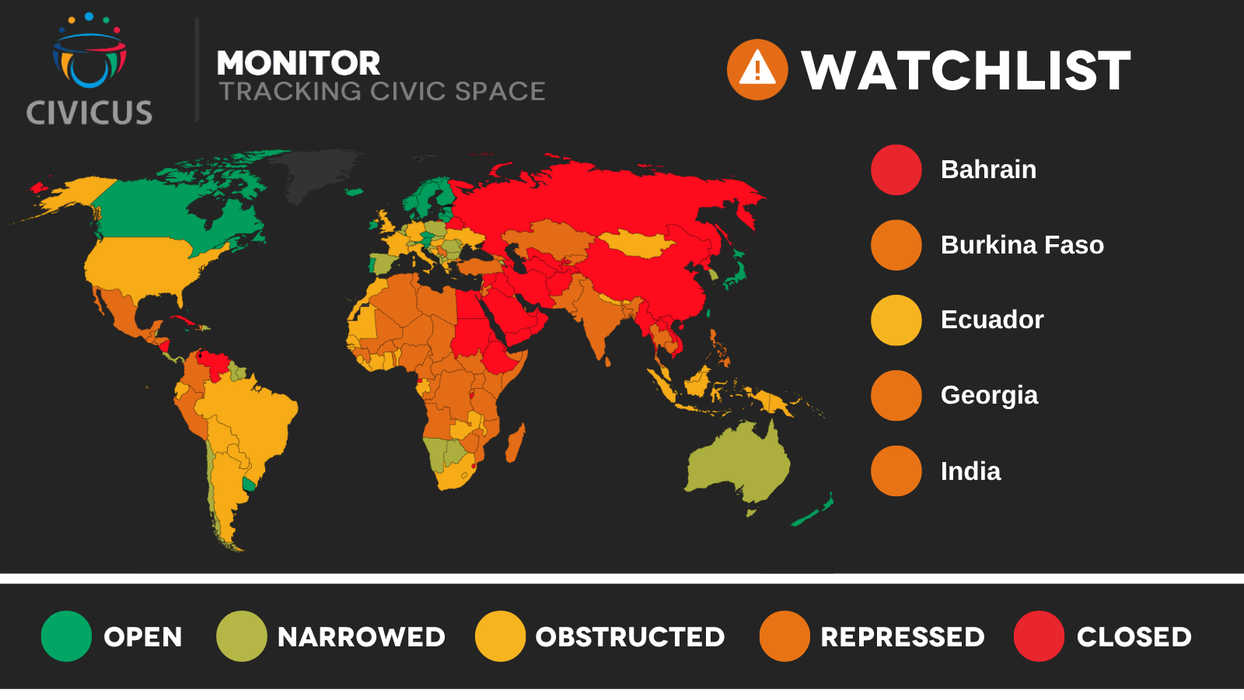
India added to human rights watchlist as repression intensifies in Modi's third term
- A range of legal measures are being used to jail activists, protesters, journalists and critics of the government
- Authorities are expanding censorship and surveillance powers
- NGOs face tighter funding restrictions and unprecedented government control over their operations
29 July - India has been added to the latest CIVICUS Monitor Watchlist due to a rapid deterioration in civic freedoms during Prime Minister Narendra Modi’s third term. The decline has been marked by the escalating persecution of activists, growing restrictions on independent media and civil society organisations, and the expanded misuse of anti-terror legislation and other legal measures against critics of the government.
The CIVICUS Monitor currently rates India as “Repressed”, the second worst rating a country can receive, indicating severe restrictions to the freedoms of expression, peaceful assembly, and association. Alongside India the latest Watchlist also includes Bahrain, Burkina Faso, Ecuador and Georgia.
Authorities have intensified their crackdown on activists and rights campaigners. In March 2026, eleven activists, including students, workers’ rights advocates and anti-displacement campaigners, were detained by Delhi Police officers in plain clothes, reportedly without arrest warrants or notification to their families. Some of those detained were allegedly subjected to torture and other forms of ill-treatment while in custody.
Authorities have also continued its use of the draconian Unlawful Activities (Prevention) Act (UAPA) against activists. In April 2026, the National Investigation Agency renewed its pursuit of activists linked to the long-running Bhima Koregaon case, several of whom had already spent years in pre-trial detention before securing bail. In June 2026, activists Umar Khalid and Sharjeel Imam were again denied bail after being held under the UAPA since 2020 on baseless charges linked to the February 2020 Delhi riots.
Freedom of peaceful assembly has also come under increasing pressure. In April 2026, police were accused of using excessive force during a protest by factory workers in Noida, Uttar Pradesh, who were demonstrating over low wages and poor working conditions. More than 300 people, including several activists, were subsequently detained. Authorities also used excessive force at a protest on 20 July by the Cockroach Janta Party (CJP), a youth-led protest movement seeking education and employment reforms.
“The Indian government has systematically expanded its use of draconian anti-terror laws to silence dissent,” said Josef Benedict, CIVICUS Asia Pacific researcher. “When human rights defenders can spend years entangled in legal proceedings for their activism and exercising their fundamental freedoms, the process itself becomes a form of punishment.”
At the same time, journalists and independent media outlets face mounting restrictions. In February 2026, investigative journalist Ravi Nair was sentenced to one year in prison in a criminal defamation case linked to social media posts critical of the Adani Group. In April 2026, police launched an investigation into the social media news outlet TeluguScribe under anti-terror legislation, while the office of the daily newspaper Asomiya Pratidin was attacked following criticism by Assam’s Chief Minister.
Concerns have also grown over new measures that could significantly expand censorship powers. The Committee to Protect Journalists warned in April 2026 that proposed amendments to India’s Information Technology Rules would grant authorities sweeping powers to censor independent journalists and news organisations. In July 2026, authorities banned the film Satluj, which depicts the life of human rights activist Jaswant Singh Khalra, less than 48 hours after its release.
NGOs continue to face increasing restrictions under the Foreign Contribution (Regulation) Act (FCRA). New amendments adopted in June 2026 expanded government control over the assets of organisations whose foreign funding licences have been revoked, while imposing additional reporting and operational requirements. The changes also further restrict the participation of foreign nationals in organisations and prohibit NGOs from engaging in political campaigns, endorsing candidates or supporting political parties.
“These amendments to the FCRA are not isolated incidents, they are part of a sustained effort to squeeze independent civil society,” said Benedict. “The government is tightening its grip on funding, speech and activism, leaving very little room for dissenting voices. These actions are inconsistent with India’s international human rights obligations.”
Restrictions on civic freedoms remain especially acute in the Jammu and Kashmir region. Activist Khurram Parvez and journalist Irfan Mehraj are facing charges under the UAPA, while authorities have curtailed access to information by throttling internet services and targeting human rights-focused social media accounts authorities deem as “anti-India”. In addition, earlier this month three publishers were arrested over books alleged to contain objectionable material.
NOTES TO THE EDITOR
On India’s civic space rating of Repressed:
In countries with this rating the civic space is significantly constrained. Active individuals and civil society members who criticise power holders risk surveillance, harassment, intimidation, imprisonment, injury and death. Although some civil society organisations exist, their advocacy work is regularly impeded, and they face threats of de-registration and closure by the authorities (see full description of ratings). See Frequently Asked Questions about the Watchlist here.
There are a total of 50 countries in the world with this rating (see all).
About the CIVICUS Monitor
The new watchlist is released by the CIVICUS Monitor, an online platform that tracks the latest developments to civic freedoms, including the freedoms of expression, association and peaceful assembly, across 198 countries and territories.
प्रधानमंत्री नरेंद्र मोदी के तीसरे कार्यकाल में बढ़ते दमन के बीच भारत मानवाधिकार की निगरानी सूची (वॉचलिस्ट) में शामिल
- कार्यकर्ताओं, प्रदर्शनकारियों, पत्रकारों और सरकार के आलोचकों के खिलाफ विभिन्न कानूनी उपायों का इस्तेमाल किया जा रहा है।
- प्रशासन के अधिकारी सेंसरशिप और निगरानी से जुड़े अपने अधिकारों का विस्तार कर रहे हैं।
- गैर- सरकारी संगठनों (एनजीओ) पर फंडिंग से जुड़े प्रतिबंध और कड़े किए जा रहे हैं। उन्हें अपने कामकाज पर अभूतपूर्व सरकारी नियंत्रण का सामना करना पड़ रहा है।
29 जुलाई –
प्रधानमंत्री नरेंद्र मोदी के तीसरे कार्यकाल के दौरान नागरिक स्वतंत्रताओं में तेजी से आई गिरावट की वजह से भारत को सिविकस (CIVICUS) मॉनिटर की नवीनतम वॉचलिस्ट में शामिल किया गया है। इस अरसे में कार्यकर्ताओं के उत्पीड़न में तेजी आई है। स्वतंत्र मीडिया और नागरिक समाज संगठनों पर पाबंदियां बढ़ी हैं और सरकार के आलोचकों के खिलाफ आतंकवाद-रोधी कानूनों एवं अन्य कानूनी प्रावधानों के दुरुपयोग का दायरा भी विस्तृत हुआ है।
सिविकस मॉनिटर ने फिलहाल भारत को “रिप्रेस्ड” यानी “दमित” श्रेणी में रखा है। ये किसी भी देश को दी जाने वाली दूसरी सबसे खराब रेटिंग है, जो अभिव्यक्ति की स्वतंत्रता, शांतिपूर्ण ढंग से एकत्र होने और संगठन बनाने के अधिकार पर बढ़ते प्रतिबंधों को दर्शाता है। भारत के साथ इस ताजा वॉचलिस्ट में बहरीन, बुर्किना फासो, इक्वाडोर और जॉर्जिया भी शामिल हैं।
प्रशासन ने कार्यकर्ताओं और अधिकारों की रक्षा के लिए मुहिम चलाने वालों के खिलाफ सख्त कार्रवाई तेज कर दी है। मार्च 2026 में दिल्ली पुलिस ने सादी वर्दी में ऐसे 11 कार्यकर्ताओं को हिरासत में लिया। रिपोर्टों के मुताबिक ना तो इसके लिए गिरफ्तारी वारंट जारी हुए और ना ही उनके परिवारों को सूचना दी गई। इन कार्यकर्ताओं में छात्र, श्रमिक अधिकारों के पैरोकार और विस्थापन विरोधी अभियानकर्ता शामिल थे। आरोप है कि हिरासत में लिए गए कुछ लोगों को यातनाएं दी गईं और अन्य प्रकार का दुर्व्यवहार भी किया गया।
इसके साथ ही प्रशासन ने कार्यकर्ताओं के खिलाफ अत्यंत कठोर गैरकानूनी गतिविधियाँ (रोकथाम) अधिनियम (Unlawful Activities (Prevention) Act) यानी यूएपीए का उपयोग भी जारी रखा है। अप्रैल 2026 में राष्ट्रीय जांच एजेंसी (National Investigation Agency) यानी एनआईए ने लंबे समय से चले आ रहे भीमा कोरेगांव मामले से जुड़े कार्यकर्ताओं के विरुद्ध अपनी कार्रवाई फिर से तेज कर दी। इनमें से कई कार्यकर्ता जमानत मिलने से पहले मुकदमे से पूर्व (pre-trial) सालों हिरासत में बिता चुके थे। जून 2026 में कार्यकर्ताओं उमर खालिद और शरजील इमाम को एक बार फिर जमानत देने से इनकार कर दिया गया। दोनों को फरवरी 2020 के दिल्ली दंगों से जुड़े निराधार आरोपों के आधार पर 2020 से ही यूएपीए के तहत हिरासत में रखा गया है।
शांतिपूर्ण सभा (Freedom of peaceful assembly) के अधिकार पर भी लगातार दबाव बढ़ रहा है। अप्रैल 2026 में उत्तर प्रदेश के नोएडा में पुलिस पर विरोध प्रदर्शन कर रहे फैक्ट्री कामगारों के खिलाफ अत्यधिक बल प्रयोग के आरोप लगे। ये कामगार कम वेतन और काम की खराब परिस्थितियों के खिलाफ आंदोलन कर रहे थे। इसके बाद कई कार्यकर्ताओं समेत 300 से ज्यादा लोगों को हिरासत में लिया गया। 20 जुलाई को शिक्षा और रोजगार के क्षेत्र में सुधारों की मांग को लेकर कॉक्रोच जनता पार्टी के विरोध प्रदर्शन के दौरान भी प्रशासन ने अत्यधिक बल का प्रयोग किया। इस विरोध आंदोलन का नेतृत्व युवा कर रहे थे।
सिविकस के एशिया- प्रशांत क्षेत्र के शोधकर्ता जोसेफ बेनेडिक्ट के मुताबिक, “भारत सरकार ने असहमति को दबाने के लिए अति कठोर आतंकवाद- रोधी कानूनों के प्रयोग का दायरा व्यवस्थित तरीके से बढ़ाया है। जब मानवाधिकार रक्षकों को ही अपने काम और मूलभूत अधिकारों के इस्तेमाल के लिए सालों कानूनी प्रक्रिया में उलझे रहना पड़ता है, तो पूरी प्रक्रिया ही एक तरह की सजा बन जाती है।”
इसके साथ ही पत्रकारों और स्वतंत्र मीडिया संस्थानों को भी बढ़ती हुई पाबंदियों का सामना करना पड़ रहा है। फरवरी 2026 में खोजी पत्रकार रवि नायर को अडानी समूह की आलोचना वाली सोशल मीडिया पोस्ट्स से जुड़े आपराधिक मानहानि में एक साल की सजा सुनाई गई। अप्रैल 2026 में पुलिस ने सोशल मीडिया समाचार मंच तेलुगुस्क्राइब (TeluguScribe) के खिलाफ आतंकवाद- रोधी कानूनों के तहत जांच बिठा दी। वहीं, असम के मुख्यमंत्री की आलोचना के बाद दैनिक समाचार पत्र असमिया प्रतिदिन के दफ्तर पर हमला किया गया।
सेंसरशिप की शक्तियों को व्यापक पैमाने पर बढ़ाने वाले नए उपायों को लेकर भी चिंता बढ़ी है।
पत्रकार सुरक्षा समिति यानी कमेटी टू प्रोटेक्ट जर्नलिस्ट्स (सीपीजे) ने अप्रैल 2026 में चेतावनी दी थी कि भारत के सूचना प्रौद्योगिकी (आईटी) नियमों में प्रस्तावित संशोधन प्रशासन को स्वतंत्र पत्रकारों और समाचार संस्थानों पर सेंसरशिप के व्यापक अधिकार देने वाले हैं। जुलाई 2026 में फिल्म सतलुज पर पाबंदी लगा दी गई। ये फिल्म मानवाधिकार कार्यकर्ता जसवंत सिंह खालड़ा के जीवन पर आधारित है। फिल्म को ओटीटी प्लेटफॉर्म पर रिलीज हुए अभी 48 घंटे भी नहीं हुए थे।
विदेशी अंशदान (विनियमन) अधिनियम यानी एफसीआरए के तहत गैर- सरकारी संगठनों (एनजीओ) पर पाबंदियां लगातार बढ़ रही हैं। जून 2026 में अपनाए गए नए संशोधनों के बाद उन संगठनों की संपत्तियों पर सरकारी नियंत्रण बढ़ गया है, जिनके विदेशी फंडिंग लाइसेंस रद्द कर दिए गए हैं। साथ ही उनके लिए रिपोर्टिंग और परिचालन संबंधी अतिरिक्त आवश्यकताएं भी लागू की गई हैं। इन संशोधनों ने संगठनों में विदेशी नागरिकों की भागीदारी पर भी और ज्यादा प्रतिबंध लगाए हैं और गैर- सरकारी संगठनों के राजनीतिक मुहिमों में भाग लेने, किसी उम्मीदवार का समर्थन करने या किसी राजनीतिक पार्टी का समर्थन करने पर भी रोक लगाई गई है।
बेनेडिक्ट कहते हैं, “एफसीआरए में ये संशोधन कोई अलग-थलग घटना नहीं है, बल्कि स्वतंत्र नागरिक समाज के लिए उपलब्ध लोकतांत्रिक दायरे को सीमित करने के सुनियोजित प्रयास का हिस्सा हैं। सरकार फंडिंग, अभिव्यक्ति और सामाजिक सक्रियता पर शिकंजा कस रही है। ऐसे में असहमति की आवाजों के लिए बहुत कम जगह बची है। ये कदम मानवाधिकारों से जुड़ी भारत की अंतरराष्ट्रीय प्रतिबद्धताओं के अनुरूप नहीं हैं।”
नागरिक स्वतंत्रता पर पाबंदियां जम्मू-कश्मीर क्षेत्र में खास तौर पर गंभीर बनी हुई हैं। कार्यकर्ता खुर्रम परवेज और पत्रकार इरफान मेहराज गैरकानूनी गतिविधियाँ (रोकथाम) अधिनियम (यूएपीए) के तहत आरोपों का सामना कर रहे हैं। वहीं, अधिकारियों ने इंटरनेट सेवाओं को घोंटकर और मानवाधिकारों पर केंद्रित सोशल मीडिया अकाउंट्स को “भारत- विरोधी” करार देकर सूचना तक पहुंच को भी सीमित किया है। इसके अलावा, आपत्तिजनक सामग्री वाली किताबें छापने के आरोप में इसी महीने तीन प्रकाशकों को गिरफ्तार किया गया है।
संपादक के लिए टिप्पणी:
भारत की नागरिक स्वतंत्रता (civic space) की "दमित" (Repressed) श्रेणी के संबंध में:
इस रेटिंग वाले देशों में नागरिक स्वतंत्रता पर गंभीर प्रतिबंध होते हैं। सत्ता में बैठे लोगों की आलोचना करने वाले सक्रिय नागरिकों और नागरिक समाज (civil society) के सदस्यों को निगरानी, उत्पीड़न, धमकी, कारावास, शारीरिक हानि और यहां तक कि मौत का भी जोखिम रहता है। हालांकि ऐसे देशों में कुछ नागरिक समाज संगठन मौजूद होते हैं, लेकिन अधिकारों की पैरवी से जुड़े उनके काम में नियमित अड़चनें पैदा की जाती हैं, और उन्हें प्रशासन की ओर से पंजीकरण रद्द होने (डि-रजिस्ट्रेशन) अथवा बंद किए जाने की धमकियों का सामना करना पड़ता है। (रेटिंग का विस्तृत विवरण देखें)
निगरानी सूची (वॉचलिस्ट) से जुड़े अक्सर पूछे जाने वाले प्रश्न (FAQ) यहां उपलब्ध हैं।
दुनिया में कुल 50 देशों को यह रेटिंग दी गई है। (पूरी सूची देखें।)
सिविकस मॉनिटर के बारे में
ये नई निगरानी सूची सिविकस मॉनिटर द्वारा जारी की गई है। सिविकस मॉनिटर एक ऑनलाइन मंच है, जो दुनिया के 198 देशों और क्षेत्रों में नागरिक स्वतंत्रताओं से जुड़े ताज़ा घटनाक्रमों पर नज़र रखता है। इसमें अभिव्यक्ति की स्वतंत्रता, संगठन बनाने की स्वतंत्रता और शांतिपूर्ण ढंग से एकत्र होने की स्वतंत्रता जैसी नागरिक आज़ादियों की स्थिति का आकलन शामिल है।
மோடியின் மூன்றாவது பதவிக்காலத்தில் அடக்குமுறை தீவிரமடைந்ததால், இந்தியா மனித உரிமைகள் கண்காணிப்புப் பட்டியலில் சேர்க்கப்பட்டது
- மனித உரிமை செயற்பாட்டாளர்கள், அமைதி வழியில் போராடுபவர்கள், பத்திரிகையாளர்கள் மற்றும் அரசாங்கத்தை விமர்சிப்பவர்கள் கிரிமினல் வழக்குகளில் சிறையில் அடைக்கப்படுகின்றனர்
- ஊடக தணிக்கை மற்றும் கண்காணிப்பு அதிகாரங்களை அரசாங்கம் விரிவுபடுத்தியுள்ளத
- தன்னார்வ தொண்டு நிறுவனங்கள் மீது கடுமையான நிதி கட்டுப்பாடுகளையும், அவற்றின் செயல்பாடுகள் மீது முன்னெப்போதும் இல்லாத அரசாங்கக் கட்டுப்பாட்டையும் எதிர்கொள்கின்றன.
ஜூலை 29, 2026 - பிரதமர் நரேந்திர மோடியின் மூன்றாவது பதவிக்காலத்தில் குடிமைச் சுதந்திரங்கள் வேகமாகச் சரிந்ததன் காரணமாக, இந்தியா சமீபத்திய சிவிகஸ் மானிட்டர் (CIVICUS Monitor) கண்காணிப்புப் பட்டியலில் சேர்க்கப்பட்டுள்ளது. செயல்பாட்டாளர்கள் மீதான துன்புறுத்தல்கள் அதிகரித்தல், ஊடகங்கள் மற்றும் குடிமைச் சமூக அமைப்புகள் மீதான கட்டுப்பாடுகள் அதிகரித்தல், மற்றும் அரசாங்கத்தின் நடவடிக்கைகளை விமர்சிப்பவர்களுக்கு எதிராகப் தீவிரவாத தடுப்பு சட்டம் மற்றும் பிற சட்டங்கள் தவறாகப் பயன்படுத்தப்படுவது அதிகரித்தல் ஆகியவற்றால் இந்தியா இந்த மனித உரிமை கண்காணிப்பு பட்டியலில் சேர்க்கப்பட்டுள்ளது.
சிவிகஸ் மானிட்டர் தற்போது இந்தியாவை "அடக்கப்பட்ட நாடு" என மதிப்பிட்டுள்ளது. இது ஒரு நாடு பெறக்கூடிய இரண்டாவது மிக மோசமான மதிப்பீடாகும். இது கருத்துச் சுதந்திரம், அமைதியான முறையில் கூடும் சுதந்திரம் மற்றும் சங்கம் அமைக்கும் சுதந்திரம் ஆகியவற்றில் கடுமையான கட்டுப்பாடுகளைக் குறிக்கிறது. இந்தியாவுடன், பஹ்ரைன், புர்கினா பாசோ, ஈக்வடார் மற்றும் ஜார்ஜியா ஆகிய நாடுகளும் இந்த சமீபத்திய கண்காணிப்புப் பட்டியலில் சேர்க்கப்பட்டுள்ளன.
மனித உரிமை செயற்பாட்டாளர்கள் மீதான தங்கள் அடக்குமுறையைத் அரசாங்கம் தீவிரப்படுத்தியுள்ளது. மார்ச் 2026-ல், மாணவர்கள், தொழிற்சங்கத்தினர் மற்றும் இடம்பெயர்வுக்கு எதிரான செயற்பாட்டாளர்கள் உட்பட பதினொரு ஆர்வலர்கள், டெல்லி காவல்துறை அதிகாரிகளால் கைது வாரண்டுகள் இன்றியோ அல்லது அவர்களது குடும்பத்தினருக்கு அறிவிக்காமலோ சட்டவிரோத காவலில் வைக்கப்பட்டதாகக் புகார் கூறப்படுகிறது. அவர்களில் சிலர், காவலில் இருந்தபோது சித்திரவதை மற்றும் பிற வகையான கொடுமைகளுக்கு உள்ளாக்கப்பட்டதாகவும் கூறப்படுகிறது.
அரசாங்கம், மனித உரிமை செயற்பாட்டாளர்களுக்கு எதிராகக் 'சட்டவிரோத நடவடிக்கைகள் (தடுப்பு)' சட்டத்தை (UAPA) தொடர்ந்து பயன்படுத்தி வருகின்றனர். ஏப்ரல் 2026-ல், தேசிய புலனாய்வு முகமை, நீண்டகாலமாக நடைபெற்று வரும் பீமா கோரேகான் வழக்கில் கைது செய்யப்பட்டு பிணையில் விடுவிக்கப்பட்ட செயற்பாட்டாளர்கள் மீது மேலும் நடவடிக்கை எடுக்கும் விதமாக அவர்களின் பிணை ஆணையை ரத்து செய்ய நீதிமன்றத்தை நாடியது. அவர்களில் பலர், பிணை பெறுவதற்கு முன்பு பல ஆண்டுகள் நீதிமன்ற காவலில் இருந்தவர்கள் ஆவர். ஜூன் 2026-ல், பிப்ரவரி 2020 டெல்லி கலவரங்கள் தொடர்பான ஆதாரமற்ற குற்றச்சாட்டுகளின் பேரில் ஆறு வருடங்களாக UAPA சட்டத்தின் கீழ் சிறையில் அடைக்கப்பட்ட மனித உரிமை செயற்பாட்டாளர்கள் உமர் காலித் மற்றும் ஷர்ஜீல் இமாம் ஆகியோருக்கு மீண்டும் பிணை மறுக்கப்பட்டது.
அமைதியான முறையில் கூடுவதற்கான சுதந்திரம் மீது அதீத கட்டுப்பாடுகள் விதிக்கப்படுகிறது. ஏப்ரல் 2026-ல், உத்தரப் பிரதேசத்தின் நொய்டாவில் குறைந்த ஊதியம் மற்றும் மோசமான பணிச்சூழலுக்கு எதிராகப் போராட்டத்தில் ஈடுபட்ட தொழிற்சாலைத் தொழிலாளர்களின் மீது, காவல்துறை வரம்பு மீறிய பலத்தைப் பயன்படுத்தியதாகக் குற்றம் சாட்டப்பட்டது. அதைத் தொடர்ந்து, செயற்பாட்டாளர்கள் உட்பட 300-க்கும் மேற்பட்டோர் கைது செய்யப்பட்டனர். கல்வி மற்றும் வேலைவாய்ப்பு சீர்திருத்தங்களைக் கோரும் இளைஞர்கள் தலைமையிலான போராட்ட இயக்கமான கரப்பான்பூச்சி ஜனதா கட்சி (CJP) ஜூலை 20 அன்று நடத்திய போராட்டத்திலும் டெல்லி போலீஸ் அதிகாரிகள் அளவுக்கு மீறிய பலத்தைப் பயன்படுத்தினர்.
"அரசின் மீது வைக்கப்படும் எதிர் கருத்துகளை ஒடுக்குவதற்காக, இந்திய அரசாங்கம் தனது கடுமையான பயங்கரவாத எதிர்ப்புச் சட்டங்களின் பயன்பாட்டைத் திட்டமிட்டு விரிவுபடுத்தியுள்ளது," என்று சிவிகஸ் ஆசியா பசிபிக் ஆய்வாளர் ஜோசப் பெனடிக்ட் கூறினார். "மனித உரிமைப் பாதுகாவலர்கள் தங்கள் செயல்பாடுகளுக்காகவும், அடிப்படை சுதந்திரங்களைப் பயன்படுத்தியதற்காகவுமே பல ஆண்டுகளாக சிறை மற்றும் சட்ட நடவடிக்கைகளை எதிர்கொள்கின்றனர், அந்த செயல்முறையே அவர்களுக்கு ஒரு வகையான தண்டனையாக மாறிவிடுகிறது."
பத்திரிக்கை சுதந்திரம் மற்றும் பேச்சுரிமை மீது தணிக்கை அதிகாரங்களை கணிசமாக விரிவுபடுத்தக்கூடிய புதிய நடவடிக்கைகள் குறித்தும் கவலைகள் அதிகரித்துள்ளன. பத்திரிகையாளர் சுதந்திரங்கள் தொடர்பாக செயல்படும் அமைப்பு ஒன்று, இந்தியாவின் தகவல் தொழில்நுட்ப விதிகளில் முன்மொழியப்பட்ட திருத்தங்கள், சுதந்திரமான பத்திரிகையாளர்களையும் செய்தி நிறுவனங்களையும் தணிக்கை செய்ய அதிகாரிகளுக்கு பரந்த அதிகாரங்களை வழங்கும் என்று ஏப்ரல் 2026-ல் எச்சரித்தது. ஜூலை 2026-ல், மனித உரிமை ஆர்வலர் ஜஸ்வந்த் சிங் கல்ராவின் வாழ்க்கையைச் சித்தரிக்கும் 'சட்லஜ்' திரைப்படம் வெளியான 48 மணி நேரத்திற்குள் இணையத்தில் இருந்து முடக்க பட்டது.
வெளிநாட்டு பங்களிப்பு (ஒழுங்குமுறை) சட்டத்தின் (FCRA) கீழ் அரசு சாரா நிறுவனங்கள் (NGOs) தொடர்ந்து அதிகரித்து வரும் கட்டுப்பாடுகளை எதிர்கொள்கின்றன. ஜூன் 2026-ல் ஏற்றுக்கொள்ளப்பட்ட புதிய திருத்தங்கள், வெளிநாட்டு நிதியுதவி உரிமங்கள் ரத்து செய்யப்பட்ட நிறுவனங்களின் சொத்துக்கள் மீதான அரசாங்கக் கட்டுப்பாட்டை விரிவுபடுத்துகிறது. இந்த மாற்றங்கள், அரசு சாரா நிறுவனங்கள் அரசியல் பிரச்சாரங்களில் ஈடுபடுவதையும், வேட்பாளர்களை ஆதரிப்பதையும் அல்லது அரசியல் கட்சிகளுக்கு ஆதரவளிப்பதையும் தடை செய்கின்றன.
"வெளிநாட்டு பங்களிப்பு (ஒழுங்குமுறை) சட்டத்தில் செய்யப்பட்டுள்ள இந்தத் திருத்தங்கள், சுதந்திரமான குடிமைச் சமூகத்தை நசுக்குவதற்கான தொடர்ச்சியான முயற்சியின் ஒரு பகுதியாகும்," என்று பெனடிக்ட் கூறினார். "அரசு, பேச்சுரிமை மற்றும் மனித உரிமை அமைப்புகளின் செயல்பாடுகள் மீதான தனது பிடியை இறுக்கி, மாற்றுக்குரல்களுக்கு மிகக் குறைந்த இடத்தையே அளிக்கிறது. இந்த நடவடிக்கைகள் இந்தியாவின் சர்வதேச மனித உரிமைக் கடமைகளுக்கு முரணானவை."
ஜம்மு மற்றும் காஷ்மீர் பகுதியில் குடிமைச் சுதந்திரங்கள் மீதான கட்டுப்பாடுகள் மேலும் கடுமையாக உள்ளன. காஷ்மீரை சேர்ந்த மனித உரிமை செயற்பாட்டாளர் குர்ரம் பர்வேஸ் மற்றும் பத்திரிகையாளர் இர்பான் மெஹ்ராஜ் ஆகியோர் சட்டவிரோதப் பாதுகாப்புச் சட்டத்தின் (UAPA) கீழ் குற்றச்சாட்டுகளை எதிர்கொள்கின்றனர். அதே நேரத்தில், அதிகாரிகள் இணையச் சேவைகளை முடக்குவதன் மூலமும், "இந்தியாவுக்கு எதிரானவை" எனக் கருதும் மனித உரிமைகள் சார்ந்த சமூக ஊடகக் கணக்குகளைக் குறிவைப்பதன் மூலமும் மக்கள் தகவல்களை அணுக கட்டுப்பாடு உள்ளது. மேலும், இந்த மாதத் தொடக்கத்தில் ஆட்சேபனைக்குரிய உள்ளடக்கங்களைக் கொண்டதாகக் கூறப்படும் புத்தகங்கள் தொடர்பாக மூன்று பதிப்பாளர்கள் காஷ்மீரில் கைது செய்யப்பட்டனர்.
ஆசிரியருக்கான குறிப்புகள்
இந்தியாவின் குடிமை சுதந்திரம் மதிப்பீடு 'அடக்கப்பட்டது' என்பது குறித்து:
இந்த மதிப்பீட்டைக் கொண்ட நாடுகளில் குடிமை மற்றும் அடிப்படை சுதந்திரங்கள் குறிப்பிடத்தக்க அளவில் கட்டுப்படுத்தப்பட்டுள்ளது. அதிகாரத்தில் இருப்பவர்களை விமர்சிக்கும் தனிநபர்கள் மற்றும் குடிமைச் சமூக உறுப்பினர்கள் கண்காணிப்பு, துன்புறுத்தல், அச்சுறுத்தல், சிறைவாசம், உடல்ரீதியான தாக்குதல் மற்றும் மரணம் போன்ற அபாயங்களை எதிர்கொள்கின்றனர். சில குடிமைச் சமூக அமைப்புகள் இருந்தாலும், அவற்றின் பணிகள் தொடர்ந்து தடுக்கப்படுகின்றன, மேலும் அவை அதிகாரிகளால் பதிவு நீக்கம் மற்றும் மூடப்படுதல் போன்ற அச்சுறுத்தல்களை எதிர்கொள்கின்றன (மதிப்பீடுகளின் முழு விளக்கத்தைக் காண்க). கண்காணிப்புப் பட்டியல் குறித்த அடிக்கடி கேட்கப்படும் கேள்விகளை இங்கே காண்க. உலகில் மொத்தம் 50 நாடுகள் இந்த மதிப்பீட்டைக் கொண்டுள்ளன (அனைத்தையும் காண்க).
சிவிகஸ் மானிட்டர் பற்றி
இந்த புதிய கண்காணிப்புப் பட்டியலை சிவிகஸ் மானிட்டர் வெளியிட்டுள்ளது. இது 198 நாடுகள் மற்றும் பிராந்தியங்களில் கருத்துச் சுதந்திரம், சங்க சுதந்திரம் மற்றும் அமைதியான முறையில் கூடும் சுதந்திரம் உள்ளிட்ட குடிமைச் சுதந்திரங்களில் ஏற்படும் சமீபத்திய முன்னேற்றங்களைக் கண்காணிக்கும் ஒரு இணையத்தளமாகும்.