Iran has now been largely offline for 18 hours, with an #Internet shutdown put into place following strikes by the US & Israel. However, small amounts of Web & DNS traffic are still getting through, and IPv4 routes remain available, suggesting some users and sites are allowlisted… pic.twitter.com/58nJLkLkvs
— Cloudflare Radar (@CloudflareRadar) March 1, 2026
General Update
On 28th February 2026, the United States and Israeli forces launched unjustified coordinated airstrikes in Iran, killing at least 1,255 people and injuring about 10,000 as of 10 March 2026, according to Iran’s officials.
Expression
In response, Iranian authorities intensified censorship measures aimed at restricting the flow of information and external reporting about ongoing military activity. Authorities imposed a nationwide internet blackout, the second in only two months. Major platforms and VPN access have also been blocked or disrupted, severely limiting communication and the sharing of potentially lifesaving information. Journalists have been forced to rely on satellite links, encrypted apps, and smuggled footage, often using banned tools such as Starlink despite the severe risks involved.
Meanwhile, serious concerns remain over the safety of protest detainees, forcibly disappeared protesters, and other imprisoned activists, including women human rights defender Narges Mohammadi, recently sentenced to an additional seven years. The need to protect and ensure the safety of detained HRDs, journalists and protesters caught inside active conflict zones cannot be overemphasised under these circumstances.
As the conflict expands, with Iran targeting Israel and neighbouring countries hosting US forces, such as Bahrain, UAE, Kuwait and Qatar, a wider securitisation of civic space is emerging across the region. All the afore-mentioned governments have warned citizens against filming or sharing images of military activity, raising concerns about a further deterioration of civic freedoms in a region where they are already tightly restricted.
Peaceful Assembly
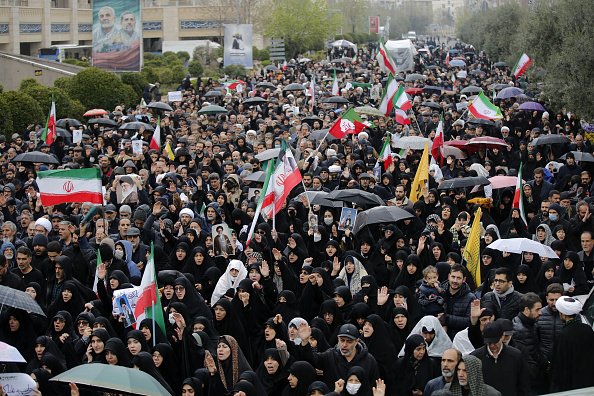
Despite the risks, thousands of Iranians continued to peacefully gather in the streets to express their diverse views regarding the death of Supreme Leader Ali Khamenei in the airstrikes and the subsequent appointment of Mojtaba Khamenei as his successor, underscoring the urgent need for all parties to respect the rights of the Iranian people to peaceful assembly, expression, and association, and to operate within the confines of international human rights law, including in the protection of civilians.