Introduction
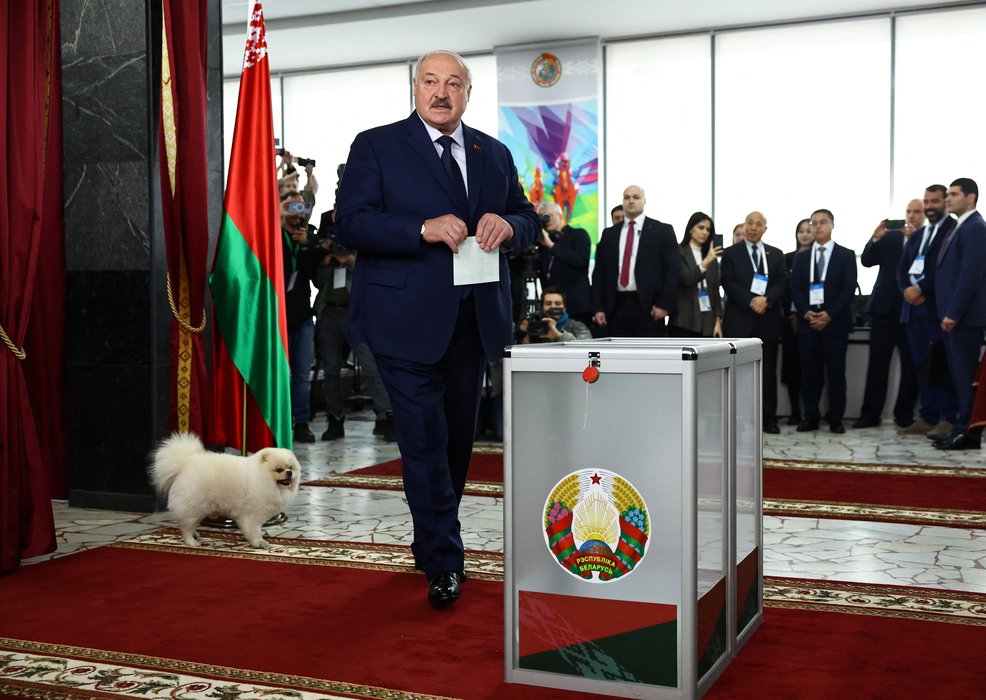
On 26th January 2025, Belarus held presidential elections six months earlier than initially scheduled. Alexander Lukashenko, in power since 1994, secured another term amid the absence of any credible opposition, further consolidating his authoritarian rule. The overall situation in Belarus is still deteriorating, with societal pressure intensifying and the list of political prisoners continuing to grow, even as around 250 detainees have been released in recent months.
Elections in Belarus are so heavily manipulated that they’re little more than formalities to legitimise Lukashenko’s rule [...] The opposition has been completely sidelined. Many of its leaders are either in prison or have fled the country. Alternative candidates aren’t allowed to run, and any form of opposition campaigning is banned.
- Viasna activist Natallia Satsunkevich, interview with CIVICUS Lens
Freedom of association
In this highly repressive environment, human rights watchdogs have continued to document the authoritarian crackdown in the country. Many individuals have been tried in absentia and handed long prison sentences, almost always for expressing dissent or criticising government policy. Independent media, civic activists, and NGOs face severe restrictions, often forcing their operations abroad, where some opposition figures have sought refuge.
CSO Meter reported that in 2024, at least 1,721 people were convicted in politically motivated criminal cases, with 55% sentenced to imprisonment. UN experts, among others, have expressed deep concern about arbitrary court decisions, trials in absentia and Belarusian authorities’ refusal to provide diplomatic services to citizens who fled repression. Overall, the post-election environment shows no signs of improvement in respect for fundamental rights and freedoms.
Freedom of peaceful assembly
The legacy of the 9th August 2020 elections, which triggered mass protests, continues to shape public life. Over 30,000 people were detained for protesting alleged election fraud. Ahead of the 2025 election, exiled opposition leader Svetlana Tikhanovskaya urged Belarusians to avoid protests, citing the high risks involved. In the lead-up to the January 2025 election, Lukashenko threatened to shut down the internet if protests occurred, warning of further measures to throttle dissent.
Civic space in the country remains closed, with fundamental freedoms severely restricted. No opposition protests have been authorised since 2020, and authorities continue to persecute participants in protests related to the previous election. As of January 2025, over 1,200 political prisoners remain in Belarus, most detained for expressing opposition to Lukashenko’s regime.
Freedom of expression
Analyses by Belarusian NGOs in December 2024 highlighted unprecedented pressure on independent media, marking 2024 as the peak year for restrictions on press freedom. The Viasna Centre and the Belarusian Association of Journalists (BAJ) documented widespread abuses, including physical assaults, threats, arbitrary arrests, and the denial of legal assistance, all aimed at silencing independent reporting.
The BAJ reported that 35 media outlets were classified as extremist in 2024. Journalists continue to face unfair trials, searches, and detentions, with approximately 45 journalists currently imprisoned. Many abuses go unreported, and access to official files remains extremely limited.
Media and human rights organisations continue to appeal to the international community for support. In December 2024, the BAJ issued a declaration calling on both national and international stakeholders to unite efforts to protect independent journalism and resist the ongoing repression of civil society in Belarus.
The government tightly controls information. State-controlled media dominate the information landscape, and the government encourages state-backed organisations to absorb civic engagement and prevent independent activism. It labels independent media and opposition voices as ‘extremist’, silences and criminalises them. A long list of banned materials, including online news platforms and books, further limits access to alternative viewpoints.
- Viasna activist Natallia Satsunkevich, interview with CIVICUS Lens