Association
CSOs express concerns over new restrictive laws and proposed laws
CSOs in Zambia are raising alarm over a wave of new legislations that they say is eroding civic space and threatening democratic freedoms. These laws, often introduced through fast-tracked processes, have introduced bureaucratic hurdles and expanded state powers that hinder the functioning and independence of civil society.
The Anti-Terrorism Bill of 2024 introduced to Parliament on 27th November 2024, is one such law. While the bill is presented as necessary for national security, it contains vague and overly broad definitions of terrorism that could be misused to criminalise civil society activities, public protests and peaceful dissent. They warn that the bill, if enacted, will weaken democratic participation and restrict fundamental freedoms.
Similarly, the NGO Bill of 2025 which received Cabinet approval on 11th March 2025, is intended to replace the controversial NGO Act of 2009. The government claims the bill is meant to enhance transparency and support development cooperation. However, CSOs argue that it grants excessive powers to the state and undermines the independence of more than 1,500 NGOs in the country. Among its most criticised provisions are; mandatory five-year re-registration, strict reporting on funding and governance as well as severe penalties for non-compliance. The bill gives the Registrar the authority to dissolve NGOs on vague grounds and contains a mandatory requirement for all NGOs to join a government-aligned council, both seen as efforts to stifle dissent and exert political control over civil society.
Expression
In December 2024, The Media Institute of Southern Africa (MISA) published a report revealing that media freedom in Zambia is at risk, with more than 60% of respondents stating that journalists and bloggers frequently face harassment and intimidation, hindering independent media operations.
CSOs object to New Cyber laws
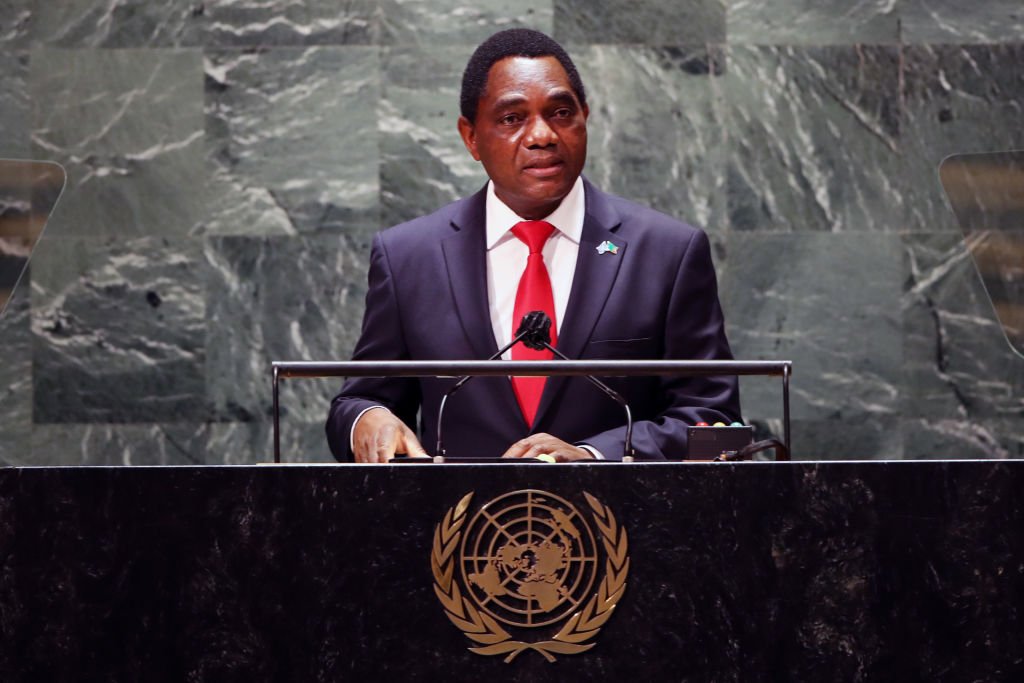
Further intensifying concerns about newly enacted laws as discussed above, President Hakainde Hichilema signed into law the Cyber Security Bill and Cyber Crimes Bill on 8th April 2025, which are intended to address cybercrime and enhance digital security. Despite objections from organisations such as CIPESA and Bloggers of Zambia, the laws retain vague definitions and grant excessive surveillance powers with little oversight. CSOs argue these laws threaten privacy, freedom of expression, and press freedom, enabling potential abuse by state agencies, especially ahead of Zambia’s 2026 general elections. The Economic Freedom Fighters (EFF) party leader Kasonde Mwenda labeled the laws “draconian”, warning that their vague provisions could lead to abuse by state agencies.
Journalist arrested for reporting on ruling party supporters
On 7th March 2025, Wave FM Zambian journalist Hope Chooma was assaulted by supporters of the ruling United Party for National Development (UPND) while covering a charity event in Mazabuka. Police arrested four suspects in connection with the assault. However, on 23rd March 2025, Chooma was himself arrested and detained overnight after one of the alleged attackers filed a counter-complaint accusing him of assault charges he denies and which carry a penalty of up to five years in prison.
The Committee to Protect Journalists (CPJ) criticised the arrest, calling it an attempt to silence Chooma for reporting the attack. A medical report confirmed he sustained injuries, and witnesses reported that the attackers boasted about being untouchable due to their political affiliation. The Mazabuka Press Club and CPJ called for an end to the victimisation of journalists and a credible investigation into the assault.
Cleaning association leader faces libel charges over Facebook posts
On 16th April 2025, Lawrence Makumbi, President of the Cleaning Association of Zambia (CAZ), was arrested and charged with two counts of libel for allegedly posting defamatory content on Facebook between January and April 2025. The complaints were filed on 17th April 2025, by Fanwell Siandenge and Zenyanji Sinkala, Chairperson of the Zambia Airports Corporation. According to Police Spokesperson Rae Hamoonga, Makumbi was accused of making defamatory posts and charged under Section 191 of the Penal Code Act.