Introduction
On 30th May 2025, the UN Security Council adopted Resolution 2781, extending the arms embargo on South Sudan until 31st May 2026. The resolution maintains a ban on the supply, sale, and transfer of weapons and related military equipment to the country. The decision reflects ongoing concerns about the flow of arms contributing to violence, human rights violations, and instability. It also signals frustration over the slow implementation of the 2018 peace agreement, particularly on security sector reforms and accountability measures.
UN High Commissioner for Human Rights Volker Türk raised concerns over South Sudan’s worsening human rights crisis, warning that nearly 2,000 civilians have been killed since January amid rising political tensions and renewed fighting. UN data show 1,854 civilians killed, 1,693 injured, 423 abducted, and 169 subjected to sexual violence between January and September, marking a 59 per cent rise from last year. The surge in violence stems from renewed clashes between government and opposition forces, alongside intensifying communal conflict in Warrap, Jonglei, and Upper Nile States. The South Sudan People’s Defence Forces (SSPDF) face accusations of indiscriminate airstrikes and ground assaults in populated areas that have killed civilians and destroyed homes, schools, and medical facilities. Security forces have also carried out extrajudicial killings, with at least 45 people executed in Warrap and Lakes States. Türk warned that the peace process is at risk of collapse unless authorities act to protect civilians and uphold accountability. He urged the government to ensure that the ongoing trial of First Vice President Riek Machar and his co-accused complies with international fair trial standards and remains free from political interference.
South Sudan’s political tensions have deepened following the government’s decision to charge First Vice-President Riek Machar with murder, treason, and crimes against humanity, raising fears of renewed instability. Justice Minister Joseph Geng Akech stated that the charges stem from a March attack by a militia allegedly linked to Machar, which killed 250 soldiers and a general in Nasir. Authorities have blocked roads leading to Machar’s residence in Juba, where he has remained under house arrest since March. Seven of Machar’s allies, including Petroleum Minister Puot Kang Chol and Army Deputy Chief of Staff Lt Gen Gabriel Duop Lam, face similar charges, while 13 others remain at large. Machar’s spokesperson has dismissed the accusations as a politically motivated attempt by President Salva Kiir’s allies to undermine the 2018 peace agreement that ended the civil war, arguing that the judiciary lacks independence. The Justice Minister has defended the prosecution as an assertion of accountability, but the case has heightened political mistrust amid fragile ethnic relations between the Dinka and Nuer communities. The unfolding developments risk destabilising the power-sharing government and reversing the limited progress achieved since the 2018 peace deal.
Peaceful Assembly
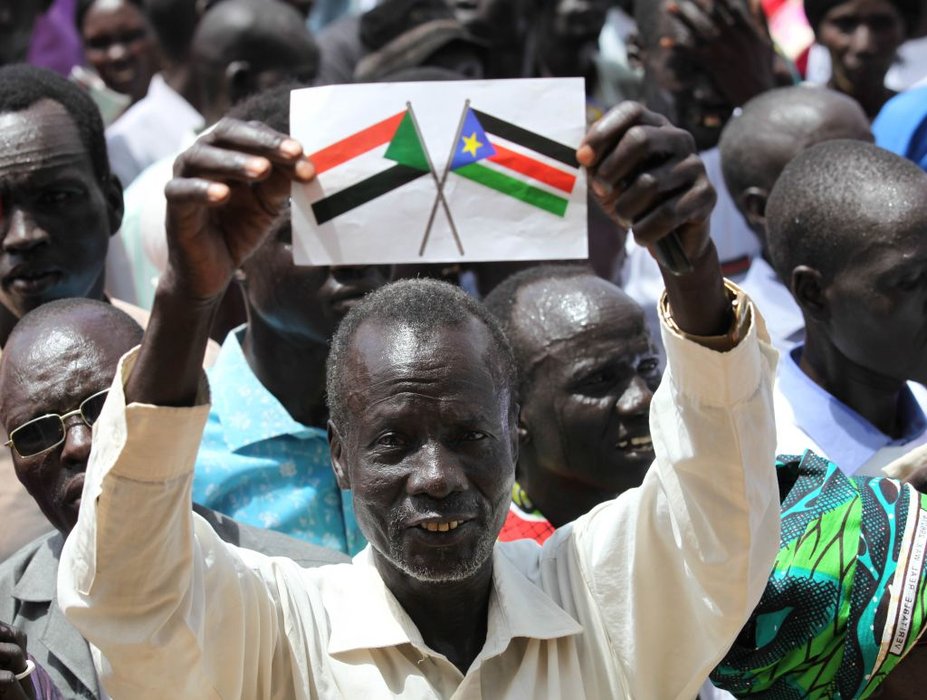
Authorities in Unity State have suspended at least 24 head teachers after they participated in a peaceful protest at the Protection of Civilians site in Bentiu, calling for the release of First Vice President Riek Machar and seven others on trial for treason and murder. The demonstration, held on 25th September 2025, also demanded the full implementation of the 2018 peace agreement, the withdrawal of Ugandan forces from South Sudan, and the establishment of a hybrid court to address war crimes. Unity State’s Minister of Information, Gatwech Bipal Both, confirmed the suspensions, accusing the teachers of inciting and joining a political protest in violation of the Education Act, 2021. The indefinite suspensions raise serious concerns about the suppression of peaceful assembly and political expression in South Sudan, where public servants face growing pressure to align with government positions.
Expression
The trial of South Sudan’s suspended First Vice President Riek Machar began in Juba under heavy security, with authorities imposing strict access controls that sparked concerns over transparency and accountability. Security officials blocked private media, civil society representatives, and victims’ families from entering Freedom Hall, where the proceedings are under way. The absence of independent media and observers has drawn criticism, as many view the restrictions as evidence of the government’s tightening grip on civic space and lack of openness in politically sensitive trials.
On 22nd September 2025, journalist Ruot George and civil rights activist Ter Manyang Gatwech reported being assaulted, detained, and subjected to degrading treatment by police and the National Security Service (NSS) while attempting to access or report on the trial of suspended First Vice President Riek Machar. George, a freelance journalist, said he was denied entry to the courtroom, beaten, and held in a military vehicle after officers accused him of taking unauthorised photos and confiscated his equipment. Gatwech, executive director of the Centre for Peace and Advocacy, reported being physically assaulted, blindfolded, and threatened after identifying himself as an HRD, alleging that he was targeted based on his ethnic identity by security personnel.
On 5th October 2025, Ter Manyang Gatwech reported that the NSS is intimidating him and threatening to arrest him in retaliation for his criticism of government spending and human rights practices. Gatwech stated that a contact within the NSS warned him about a letter authorising his arrest that could be signed at any moment. Gatwech says security agents have harassed him through suspicious phone calls asking about his whereabouts. He believes the authorities are targeting him for his recent commentary on high-profile political cases and government delegations to the UN.