Freedom of Association
Armenian NGOs urge action on freedom of religion
The arrest of Archbishop Bagrat Galstanyan — an influential figure in the Armenian Apostolic Church — sparked domestic and international reactions. Authorities have accused him of involvement in an alleged coup plot against the government of Prime Minister Nikol Pashinyan. The political situation has become increasingly unstable amid rising tensions over territorial concessions to Azerbaijan and concerns about national security. The Archbishop’s supporters deny the charges, asserting that the case is politically motivated and aimed at intimidating critics who challenge government policies.
Several Armenian non-governmental organisations (NGOs) and international religious freedom organisations, including Christian Solidarity International, have denounced what they call “political repression” and “legal manipulation” of government opponents. They are calling on the authorities in Yerevan to respect religious freedom and fundamental rights, warning that using the judiciary as a political tool undermines Armenia’s fragile democracy and risks provoking further internal tensions.
These tensions are exacerbated by growing polarisation: some believe the government is attempting to reduce the Church’s traditional influence in politics, while others argue that the Church is becoming excessively involved in political life. The Archbishop’s case, and the subsequent civil society response, demonstrate that religious freedom and political pluralism remain sensitive issues in Armenia. How the government handles this case will significantly influence both domestic perception and external support for the country’s democratic path.
Freedom of Peaceful Assembly
Nagorno-Karabakh refugees and supporters protest in Yerevan
A three-day protest took place in June against the dismissal of the head of the National Security Service (NSS), Armen Abazyan, who also heads the commission investigating the fate of missing persons from the disputed region. Protesters accused the authorities of a lack of transparency and demanded a stronger commitment from the state to clarify the situation of those reported missing due to the conflict. When protesters attempted to block a main street in Yerevan, police reportedly prevented the blockade. According to OC Media, the protesters decided to end their protest after meeting with the head of the NSS’s military counterintelligence department, who had promised them a meeting with officials.
In July, a three-day sit-in brought together over 2,000 people — including Karabakh refugees, their supporters, and members of the diaspora — to protest in front of government buildings in Yerevan. The protesters called on the Armenian government to prioritise issues related to resettlement, compensation, and refugee rights, and to increase international pressure on Azerbaijan to clarify the fate of the missing and ensure respect for human rights.
These protests reflect the deepening frustration of civil society and families affected by the region’s takeover by Azerbaijan. They also highlight growing social pressure on the government in Yerevan over its handling of the conflict and the negotiated peace deal.
Freedom of Expression
European support for the press in Armenia: €1.5 million for media freedom
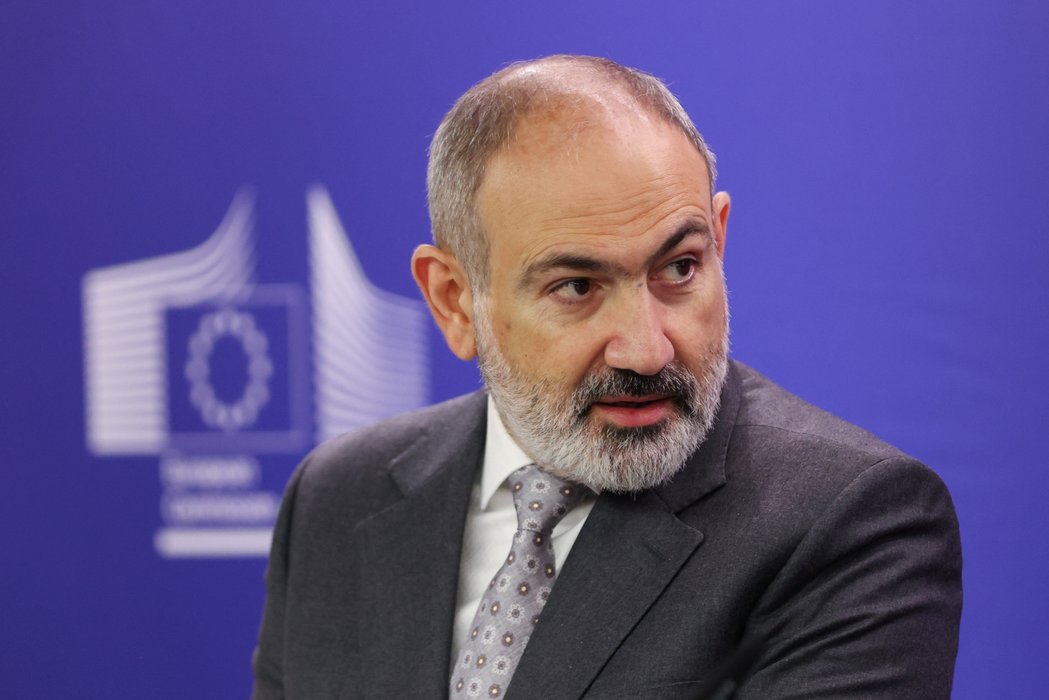
The European Union announced €1.5 million in financial support for independent media in Armenia at a time when the domestic media sector faces significant financial challenges. The funding agreement was discussed during a meeting in Brussels between Armenian Prime Minister Nikol Pashinyan, European Commission President Ursula von der Leyen, and Portuguese Prime Minister António Costa. EU officials reaffirmed the bloc’s commitment to supporting democracy and media pluralism in Armenia.
The European support will strengthen independent newsrooms, enhance their editorial independence, and increase public trust in accurate, objective, and transparent reporting.