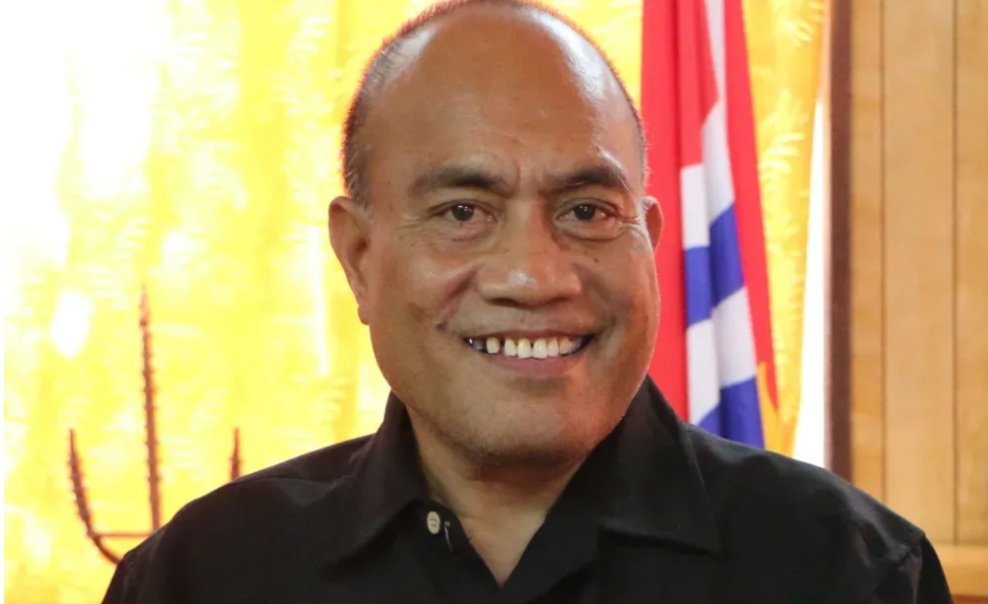
Kiribati is rated ‘open’ by the CIVICUS Monitor. Kiribati is a multiparty democracy that holds regular elections. There is freedom for NGOs to operate, particularly those engaged in human rights and governance-related work. However, concerns remain around judicial independence and that the government has yet to ratify the International Covenant on Civil and Political Rights (ICCPR), decriminalise defamation or establish a national human rights institution despite recommendations during the 2025 Universal Periodic Review and the UN Human Rights Council.
The Kiribati parliament is considering a constitutional amendment that specifies that diplomatic relations must only be maintained with UN members or permanent observers, which would exclude Taiwan. The bill, championed by a government MP and backed by Kiribati's president, Taneti Maamau, does not mention Taiwan or China, but seems aimed at making it much harder for future governments to recognise Taipei. The Pacific nation has switched diplomatic recognition between China and Taiwan three times, most recently in 2019 when it dumped Taipei and re-established diplomatic ties with Beijing.
Expression
Freedom of expression is protected under section 3(b) of the constitution and generally respected by the government.
However, there are media freedom concerns. Government bodies monitor contents of daily news bulletins to ensure they align with the government’s official messages.
Defamation is criminalised in the Penal Code. Sections 184 and 185 of the Penal Code define libel and defamatory matter (writing, print, or representation that exposes a person to hatred, contempt, or ridicule, or damages their reputation). In 2025, UNESCO had recommended that Kiribati decriminalise defamation and place it within civil defamation legislation that was in accordance with international standards.
The constitution does not expressly guarantee the right to information. There is no current legislation that provides for freedom of information, although a Freedom of Information Bill was drafted in 2020. No further developments have taken place at the time of writing.
Peaceful Assembly
The constitution’s section 3 provides for freedom of peaceful assembly and this freedom is generally respected. However, there is no legislation that regulates this right. Section 39(1) of the Police Powers and Duties Act 2008 provides that a police officer may use reasonable necessary force in the execution of their duties.
Association
Freedom of association is generally respected. Civil society is active and has made significant strides in promoting community development, environmental protection and social justice. CSOs focus on a range of topics, including climate change